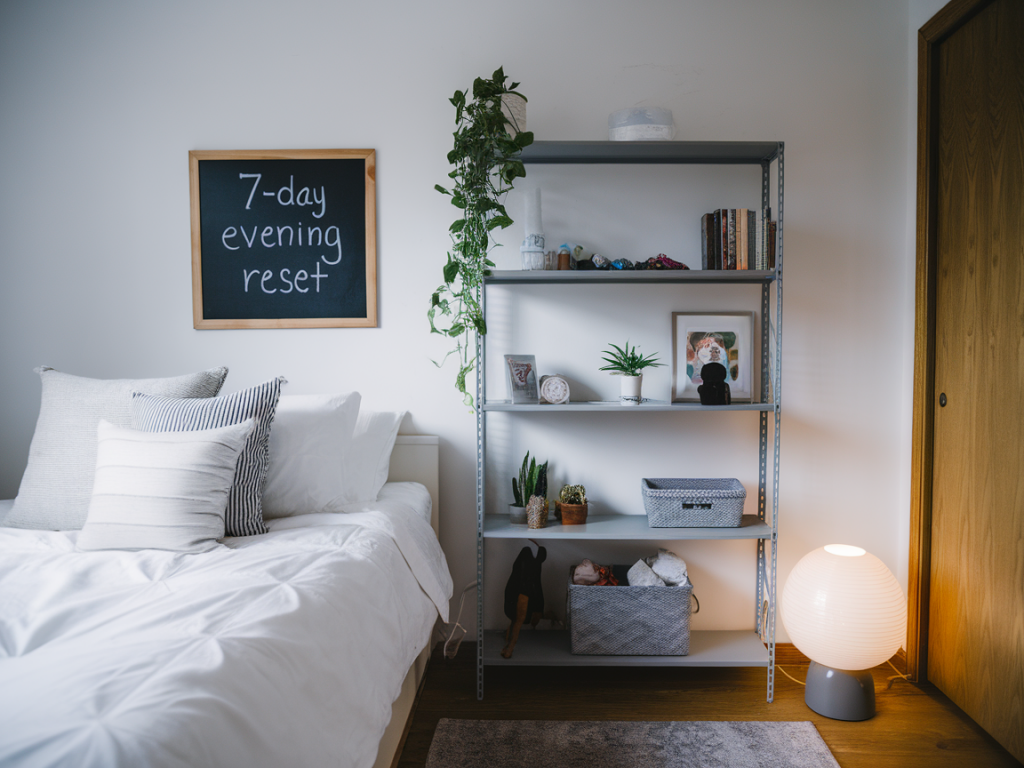
I've been wrestling with restless evenings for months — nights where my mind won’t quiet, my body flips between hot and cold, and 7–8 hours on the clock somehow becomes two. I decided to give myself a gentle, seven-day evening reset: small, repeatable rituals and a handful of products I actually tested to see what helps me fall asleep and wake up feeling less foggy. This isn't a miracle cure. It's a practical, low-pressure plan to reclaim the hour or two before bed so sleep becomes more likely, not more stressful.
Why an evening reset (and what I wanted to avoid)
I didn’t want a rigid “sleep hygiene” checklist or a list of lifestyle overhauls that'll feel impossible to follow. I wanted something soft, human, and realistic — five to sixty minutes each night, depending on how much time I had. Over seven nights I tracked how I felt falling asleep, how many times I woke, and next-day mood and energy. What follows are the simple rituals that made the most difference for me, plus the products I tested and what actually worked.
How I structured the week
Each evening had a theme and one or two new things added to my baseline routine: move, warm bath or shower, light stretching, a wind-down tea, short journaling, and reduced screen time. I used the same bedtime window (aiming to be in bed by 10:30pm) to let the rituals build on each other.
| Evening | Primary Focus | Key Product/Practice |
|---|---|---|
| Night 1 | Blue-light and screens | Blue-light glasses & 30-minute phone curfew |
| Night 2 | Temperature & comfort | Breathable bedding + silk eye mask |
| Night 3 | Body calm | Warm shower + magnesium body oil |
| Night 4 | Mind calm | Five-minute journaling + guided breathing |
| Night 5 | Smell & association | Lavender pillow spray |
| Night 6 | Noise & environment | White noise + humidifier |
| Night 7 | Layer & refine | Weighted blanket + gentle yoga |
My baseline evening routine (every night)
What I tested — and what actually helped
Below are the products I tried across the week, and my honest take.
Night-by-night notes — what changed for me
Night 1: I quit screens 30 minutes earlier than usual and wore blue-light glasses in the evening. Falling asleep felt easier — not dramatic, but I noticed less alertness at 11pm.
Night 2: I swapped cotton sheets for a breathable linen set and used my silk mask. Temperature felt more stable and I woke less often with night sweats.
Night 3: Adding magnesium oil after a warm shower seemed to calm muscle tension. I still woke once, but fell back asleep quicker.
Night 4: Journaling for five minutes — writing a short “three things I’m grateful for” and one small worry I’ll let sit until morning — uncluttered my head. The combination with breathing exercises was surprisingly effective.
Night 5: The lavender spray created a comforting, consistent cue. I found myself anticipating sleep more than resistance to it.
Night 6: White noise from an app plus the humidifier masked street noise and made my sleep deeper. I noticed fewer micro-awakenings.
Night 7: I combined everything I’d learned: dim lights, blue-light glasses earlier, warm shower with magnesium oil, light yoga, Pukka tea, journaling, lavender spray, weighted blanket. It wasn’t perfect, but I slept more soundly and woke up calmer.
Practical tips if you want to try this reset
Over the week I noticed the biggest wins came from small, consistent cues: dimming lights, stopping screens earlier, a warm pre-bed ritual, and scent or touch cues like lavender or a silk mask. Products helped — especially the pillow spray and weighted blanket — but it was really the habits I kept that made the difference. If you’re restless at night, give yourself a week and treat it like a tiny experiment. The worst that happens is you learn what doesn’t work — and the best is you find a few rituals that actually help you sleep.