I’ll be honest: there have been nights when I’ve stared at my bathroom counter, exhausted, and the balm jar looked like a small pool of permission. Makeup-removing balms feel indulgent and oddly forgiving — a silky swipe that takes off the day in one motion. But can you really sleep in makeup remover balm? I tested it, read the ingredients, and asked a couple of skincare-savvy friends. Here’s what I’ve learned, what I tried, and how to wake up without breakouts or raccoon eyes.
What is a makeup remover balm, really?
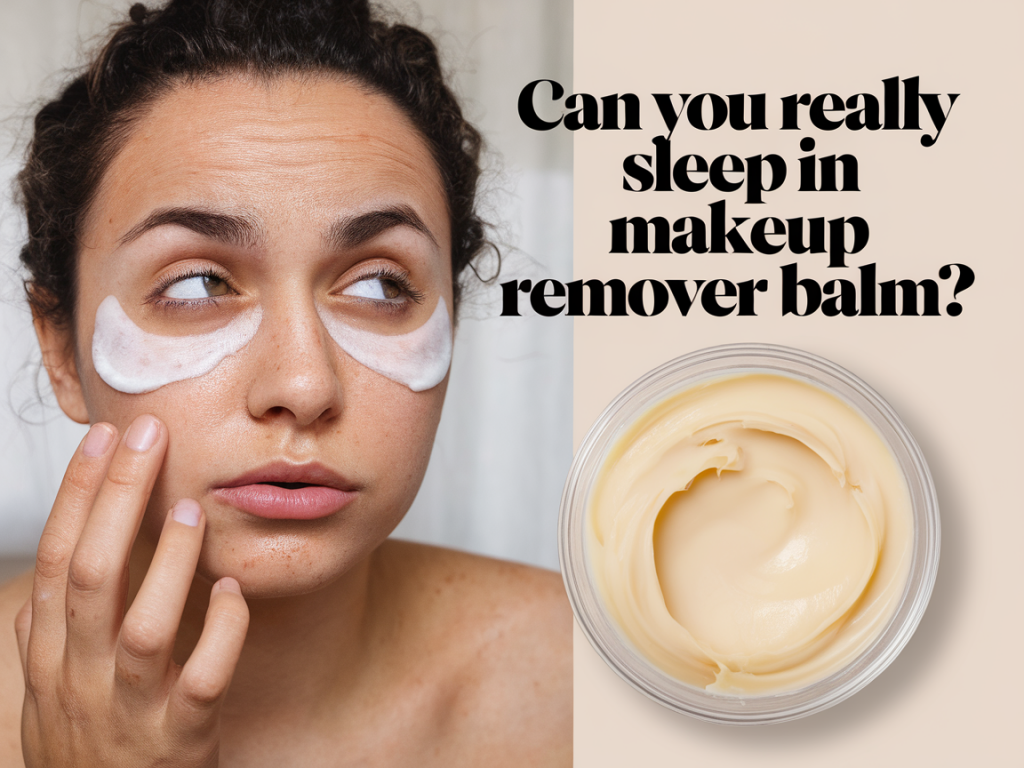
Makeup remover balms are oil-based cleansers that melt into the skin when warmed by your fingers. They’re designed to dissolve sunscreen, long-wear foundation, and stubborn mascara without tugging. Popular examples include Clinique’s Take The Day Off Cleansing Balm, Heimish All Clean Balm, and smaller-budget options like Simple’s Cleansing Balm. The texture is thick and comforting, and that’s part of the problem: it can feel like you’ve already done the job.
Is it okay to sleep in balm? The short answer
Short answer: not recommended as a regular habit. A balm is meant to remove makeup — not to be left as a night cream. Leaving an oil-based product on your skin overnight can lead to clogged pores for some people, and if it doesn’t fully remove stubborn eye makeup, you risk smudging and eye irritation. But the real answer is nuanced: skin type, product formulation, and how much balm you used all matter.
What happened when I actually slept in balm
For the sake of curiosity (and to save myself from moralizing), I tried it on and off for a month. On night one I accidentally fell asleep after using a generous scoop of balm and only wiped my face with a tissue. I woke up with a faint ring of residue along my hairline and a couple of congested bumps near my chin the next day. Not dramatic, but enough to be annoying.
On nights when I used a small pea-size amount and made sure to gently rinse or blot off as much as possible before bed, I didn’t notice breakouts — but I did wake up with slightly puffier eyes and a little smudging under the lash line. My tester friend with combination-oily skin had worse: she developed a couple of closed comedones after a week of frequently sleeping in balm without following with a water-based cleanser.
Science and ingredients: why it can cause issues
Balms are often rich in occlusive oils or esters (petrolatum in some formulas, various plant oils in others) which form a film on the skin. That film is brilliant at breaking down makeup, but it also traps sebum and sweat if not rinsed properly. For people prone to acne, heavy occlusives overnight can mean blocked pores.
And then there’s mascara and eye makeup. Balms can melt mascara, which is a plus — unless the melt isn’t fully removed. Leftover pigment can transfer onto the tear film and lashes, causing smudging (raccoon eyes) and, in sensitive eyes, irritation. If you wear lash extensions or have eye conditions like blepharitis, leaving balm on your lash line overnight isn’t a great idea.
When sleeping in balm is probably okay (occasionally)
When to avoid it
How to experiment safely — my tester’s routine
I developed a simple overnight-safe approach to make the balm work for me without consequences. Try this as a one-time test before deciding whether you can sleep in it occasionally.
Products and tips I trust
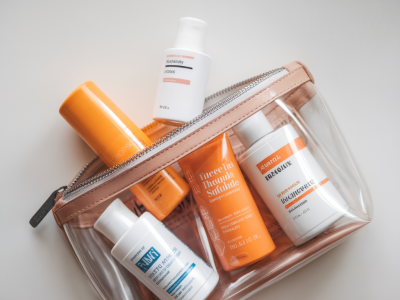
I keep a small jar of balm on my vanity and a bottle of micellar water beside my bed for emergencies. A couple of products that have worked well for me:
Quick fixes if you woke up with raccoon eyes or a residue
Signs it’s affecting your skin long-term
Watch for increased breakouts, more blackheads, or a feeling of heaviness in your pores. If you see persistent congestion after adopting balm-as-night-cream, stop the practice and return to a standard double-cleanse routine. If irritation or eye redness continues, see a dermatologist or an optometrist for guidance.
My final—well, not final—thoughts (without concluding)
Sleeping in a makeup remover balm every now and then won’t wreck your skin, and for some dry or tolerant skin types it might even feel restorative. But as a regular habit it’s a gamble. Balms are brilliant at dissolving makeup — they’re not formulated to sit on your skin like a moisturiser. If you’re tired, do the minimal effective step: emulsify, wipe, and at least rinse or micellar-swipe before bed. Your morning skin will thank you, and you’ll be less likely to wake up chasing raccoon eyes or surprise breakouts.