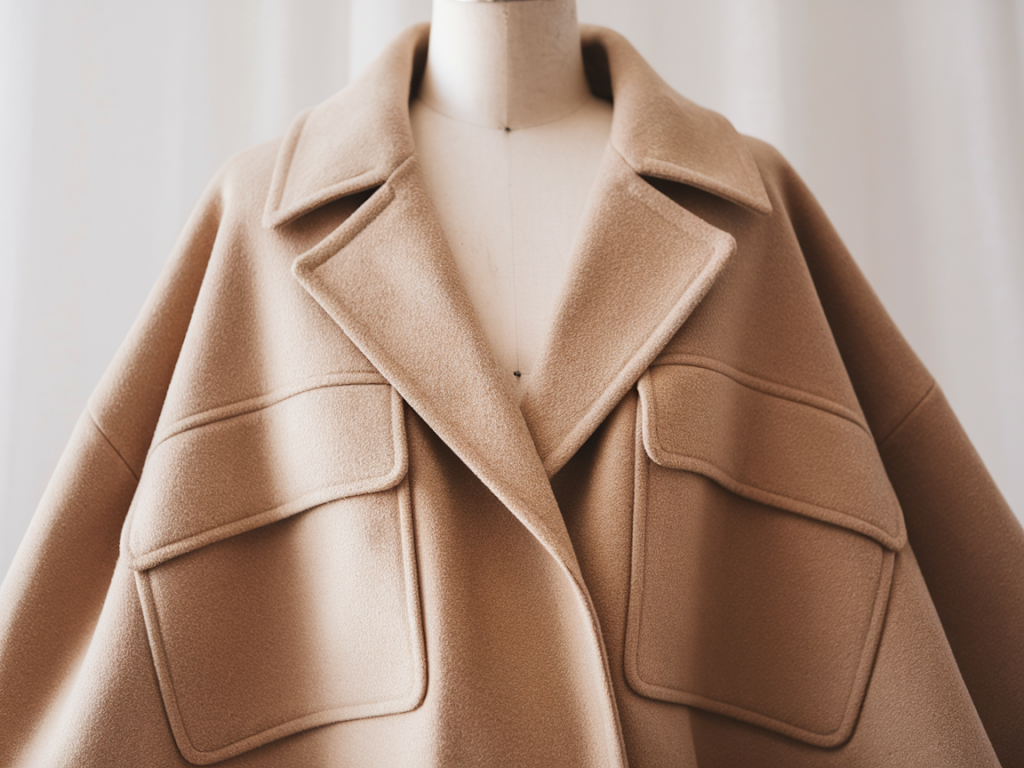
I love a good thrifted coat moment. There’s something quietly thrilling about finding a piece with history — a wool camel wrap from a charity shop, a vintage military coat with brass buttons, or a slightly-too-big pea coat that somehow smells faintly of someone’s autumn walks. The problem is that thrifted coats rarely fit perfectly off the rack. But instead of scrolling past them, I’ve learned to see small tailoring fixes as the bridge between "nice find" and "capsule wardrobe hero."
On Glassespeaks I often talk about making considered purchases and mending items so they last, and tailoring is the same kind of thoughtful investment. In this post I’ll walk you through three affordable, high-impact tailoring fixes that will lift a thrifted coat from frumpy to flattering without breaking the bank. These are the alterations I return to again and again — they’re relatively simple, reversible if needed, and they make a coat actually wearable as part of a pared-back capsule wardrobe.
Choose the right coat to begin with
Before we get into the fixes, a quick note on choosing the right coat to take home. When I’m hunting, I look for:
If the coat ticks most of these boxes, it’s worth a small tailored investment.
Fix 1: Sleeve length and cuff tidy-up — the easiest and most transformative
Sleeve length is the alteration I get most often. Too-long sleeves swamp your hands and make an otherwise-great coat look sloppy; too-short sleeves throw off proportions. Shortening sleeves gives an immediate, polished lift.
Typical approach from a tailor:
What I love about this fix is how cheap it tends to be — expect £10–£25 in the UK depending on lining complexity. If you’re feeling confident, you can attempt it at home with a sewing machine and some patience: carefully unpick the sleeve hem, mark the new length, trim, re-hem, and reattach any cuff details. Brands I’ve used for threads and small supplies are Gutermann thread and Prym sewing notions — reliable and inexpensive.
Fix 2: Nipping the waist or adding darts — create shape without losing the coat’s character
A straight boxy shape is a common thrift find. Tailoring a coat at the waist makes it infinitely more wearable and versatile in a capsule wardrobe because it allows the coat to complement both dresses and jeans looks.
Options to create shape:
Price-wise, side-seam taking in or back darts usually cost £20–£40 depending on how much work the tailor needs to undo and redo. The internal waist tie is often cheaper and a favourite if you like the option to wear the coat boxy sometimes and fitted other times.
When I had a thrifted camel wrap that was lovely but shapeless, I asked my seamstress to add back darts and install an internal tie. The result felt like a new coat — cinched at the waist, it worked with both midi skirts and jeans and instantly felt intentional rather than oversized.
Fix 3: Buttons, closures and lining refresh — small details, big impact
Replacing buttons and refreshing the lining are deceptively transformative. A coat with mismatched or loose buttons reads as tired, whereas crisp buttons and a tidy lining feel expensive.
Practical steps:
I once fell for a double-breasted navy coat with lovely proportions but shiny, worn plastic buttons. I swapped them for matte black horn buttons from a local haberdashery and suddenly the coat read timeless. Total cost including labour? About £18, and the uplift felt like a thrifted steal turned boutique find.
Finding the right tailor and budgeting
Where I live in the UK, there are brilliant local seamstresses who specialise in small repairs and alterations. I always ask for a price range upfront and request to see similar work if possible. Tips for finding a tailor:
Budget guide (approximate):
| Alteration | Typical cost (UK) |
| Sleeve shortening | £10–£25 |
| Take in side seams / add darts | £20–£40 |
| Replace buttons | £8–£25 (depending on buttons) |
| Internal waist tie | £10–£20 |
| Partial relining/repair | £20–£60+ |
How to style your newly tailored coat as a capsule piece
Once the coat fits, treat it as a capsule hero — neutral colours, classic cuts and outfit formulas that repeat. A well-fitted camel coat becomes the backbone of winter outfits: knit, slim jeans, leather boots. A nipped-in pea coat works with trousers and slip dresses. I like to keep a short list of pairing ideas taped inside my wardrobe for go-to looks:
Little accessories — a cashmere scarf, a leather belt looped over the coat, or a brass brooch — help you personalise the look without overcomplicating your capsule pieces.
Tailoring is one of the most sustainable style moves I make. For a small outlay, a coat gains years of life and becomes a reliable capsule item in my wardrobe. If you’re curious about a coat you’ve found, bring photos and try on with layers you’d normally wear: the right coat is usually the one that feels like it’s been waiting for you, and with three smart, affordable fixes, it can easily become the anchor of your seasonal wardrobe.