I’ve spent years hunting for a daily SPF that’s wallet-friendly, lightweight enough to sit happily under foundation and — most importantly — doesn’t pill. If you’re anything like me, you don’t want to compromise on sun protection just because you’re on a budget, but nothing kills the joy of getting ready like seeing your foundation ball up in little flakes across your face.
Why a good, cheap SPF matters
Daily SPF is non-negotiable for me: it protects from sun damage, prevents premature ageing and keeps my skin healthier in the long run. But when I first started wearing sunscreen every day, I tried so many formulas that made makeup look patchy. Paying more doesn’t always mean better results under make-up, and over the years I’ve learned there are plenty of under-£15 options that work brilliantly — you just need to know how to choose and how to apply them.
What causes pilling?
Pilling happens when products don’t absorb or bind well to the skin or to each other. A few common culprits:
When I test sunscreens, I’m checking texture, absorbency, how long it needs to set, and how it plays with my go-to foundations and concealers. Everyone’s skin is different, but there are consistent signs a formula will pill: it sits tacky on the skin, it’s extremely thick or greasy, or it leaves a heavy silicone film.
How I test a sunscreen under makeup
My little ritual when trying a new SPF:
If the SPF passes that day I add it to my shortlist. I also try to test each sunscreen with one matte and one dewy foundation to see if there’s any interaction.
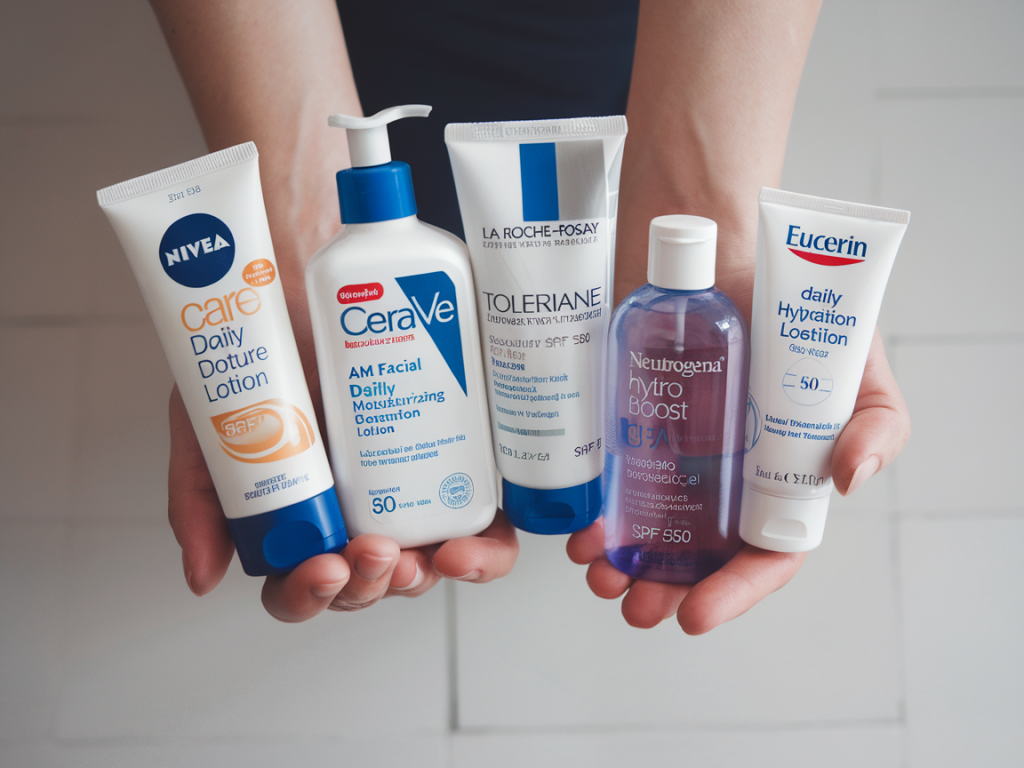
My tried-and-tested shortlist (all under £15)
| Product | Approx. price | Skin type | Why I like it |
|---|---|---|---|
| Simple Kind to Skin SPF 30 Moisturiser | £5–£8 | Normal to sensitive | Light texture, sinks in well, fragrance-free and very makeup-friendly. |
| La Roche-Posay Anthelios Invisible SPF50 (mini or travel size) | Mini under £15 (full size higher) | All, especially sensitive | Sheer finish, very lightweight — the mini is a great budget way to try it and it layers well under foundation. |
| NIVEA Sun Protect & Moisture SPF 30 | £4–£7 | Normal to dry | Hydrating without being greasy; I’ve had no pilling with liquid foundations. |
| Garnier Ambre Solaire Sensitive Advanced Face SPF50 | £6–£10 | Sensitive/oily | Matte-ish finish for oily skin; very affordable and plays well with powder or liquid foundations. |
| Solait Sensitive Protect SPF 30 | £4–£6 | Sensitive/normal | Non-greasy, invisible finish. Cheap and effective for everyday use. |
| La Roche-Posay Anthelios Shaka Fluid SPF50 (sample sizes often under £15) | Sample/mini prices vary | All | Feather-light fluid that’s a dream under makeup; not always available in small sizes but worth seeking out. |
Notes: prices vary by retailer and promotions. I’ve included a couple of minis/ travel sizes because La Roche-Posay frequently performs well under makeup yet the full sizes are often pricier; the minis let you try without the full price commitment.
Application tips to avoid pilling
Even a great SPF can pill if you apply it wrong. These are the practical habits I use every day:
Ingredient pointers
Keep an eye out for these when you’re choosing an affordable SPF that won’t pill:
What about mineral/physical sunscreens?
Mineral sunscreens (zinc oxide/titanium dioxide) have improved a lot and many now sit nicely under makeup. Historically they were thicker and more likely to pill, but many modern formulations are sheer and contain skin-softening ingredients to reduce flaking. If you prefer mineral SPFs, patch-test them with your foundation and follow the same layering rules I use.
Common questions I get
Finding the right everyday SPF under £15 is a mix of reading labels, testing textures and giving each product a few honest tries. The formulas above are my favourites for reliability and ease under makeup — simple, inexpensive picks that prevent pilling and keep mornings calm.