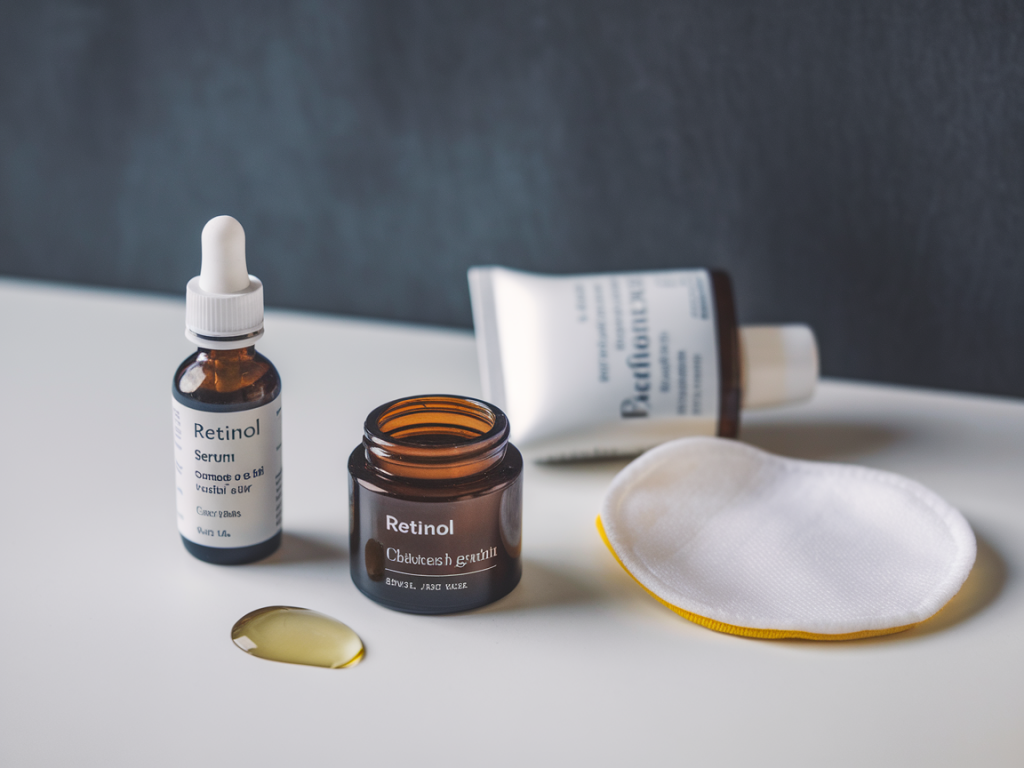
I used to think of facial oils as either a luxury or a skincare sin depending on the day — especially when I was working through sensitivity and congestion. Could an oil help soothe the dryness that comes with retinol, or would it just sit on my skin and spark breakouts? After testing a few approaches and listening to my skin, I want to share a practical, gentle routine that lets you use facial oils at night with retinol without upsetting sensitive, congestion-prone skin.
Can you use facial oils with retinol at night?
Short answer: yes
In other words: oils are not inherently bad with retinol. Done thoughtfully, they can boost comfort, reduce flaking, and make a retinol routine sustainable for sensitive skin. Done carelessly, they can cause breakouts or make irritation worse.
Which oils I recommend for sensitive, congestion-prone skin
When I was experimenting I avoided heavy or high-comedogenic oils. These are my favourites, and why:
Oils I avoid for congestion-prone skin: coconut oil, olive oil, and some thicker nut oils. They can be comedogenic and feel heavy on the skin.
How to layer retinol and oil safely — two simple methods
There are two reliable ways I use oils with retinol: the buffer method and the sealant method. Both work — choose based on how reactive your skin is.
- Cleanse gently and pat dry.
- Apply a pea-sized amount of your moisturizer (a simple cream with ceramides or glycerin).
- Apply your retinol product on top of the moisturiser (this dilutes the retinol slightly and reduces irritation).
- Wait a minute, then apply 1–2 drops of a lightweight oil (squalane or jojoba) as the final step. The oil helps seal moisture but won’t over-power the retinol layer underneath.
- Cleanse and ensure skin is fully dry (some recommend waiting 10–20 minutes after cleansing to reduce irritation).
- Apply retinol to skin directly (as per product instructions).
- After the retinol has absorbed, apply a gentle, hydrating moisturizer.
- Finish with a couple drops of a non-comedogenic oil like squalane to lock everything in.
Either way, the oil is the final layer. That prevents it from diluting the retinol too much before it can be absorbed and ensures it acts as a comforting seal rather than a blocker under other products.
Frequency and how to build tolerance
If you’re new to retinol or have sensitive skin, slow and steady wins. This is how I introduce retinol without a meltdown:
Always start with a low concentration (e.g., 0.2–0.3% retinol or an encapsulated retinoid) and increase only if your skin handles it. Products I’ve found gentle: The Ordinary Granactive Retinoid (less irritating than straight retinol), La Roche-Posay Redermic R (pharmacy-friendly), and Paula’s Choice 1% retinol boosters (use sparingly).
How to avoid congestion and breakouts
Even non-comedogenic oils can contribute to congestion if your routine is otherwise pore-clogging or if you apply too much. Here’s my checklist to keep things clear:
What to watch for — irritation vs purging
If your skin flares with redness, burning, intense stinging, or persistent peeling, ease off immediately. That’s irritation and you should stop retinol and simplify your routine to soothe and repair the barrier (think: ceramide-rich moisturisers like CeraVe or La Roche-Posay Toleriane Ultra).
If you see a few new small pimples in the first 4–8 weeks, that can be purging as retinol speeds up cell turnover. Purging typically resolves; irritation is more intense and persistent. If you’re unsure, err on the side of caution — pause retinol and reintroduce more slowly.
My evening routine example for sensitive, congestion-prone skin
Here’s the exact evening routine that’s been working for me:
On non-retinol nights I might use rosehip oil for extra renewal or a lightweight hydrator if my skin feels congested.
Sunscreen—non-negotiable
Retinol increases sun sensitivity, so daily sunscreen is essential. Use a broad-spectrum SPF 30+ every day, even when it’s grey in the UK. Treat sunscreen as part of your skin repair plan — it’s as important as choosing the right retinol and oil.
Using oils at night with retinol can be a lovely way to make a retinol routine wearable for sensitive, congestion-prone skin. Start slow, pick a lightweight, non-comedogenic oil like squalane, buffer if you need to, and pay attention to how your skin responds. If anything feels off, simplify and build back up: your skin will thank you for the patience.