Fashion

How to revamp an old blazer with tailoring hacks and one hem alteration that transforms fit

How to revamp an old blazer with tailoring hacks and one hem alteration that transforms fit

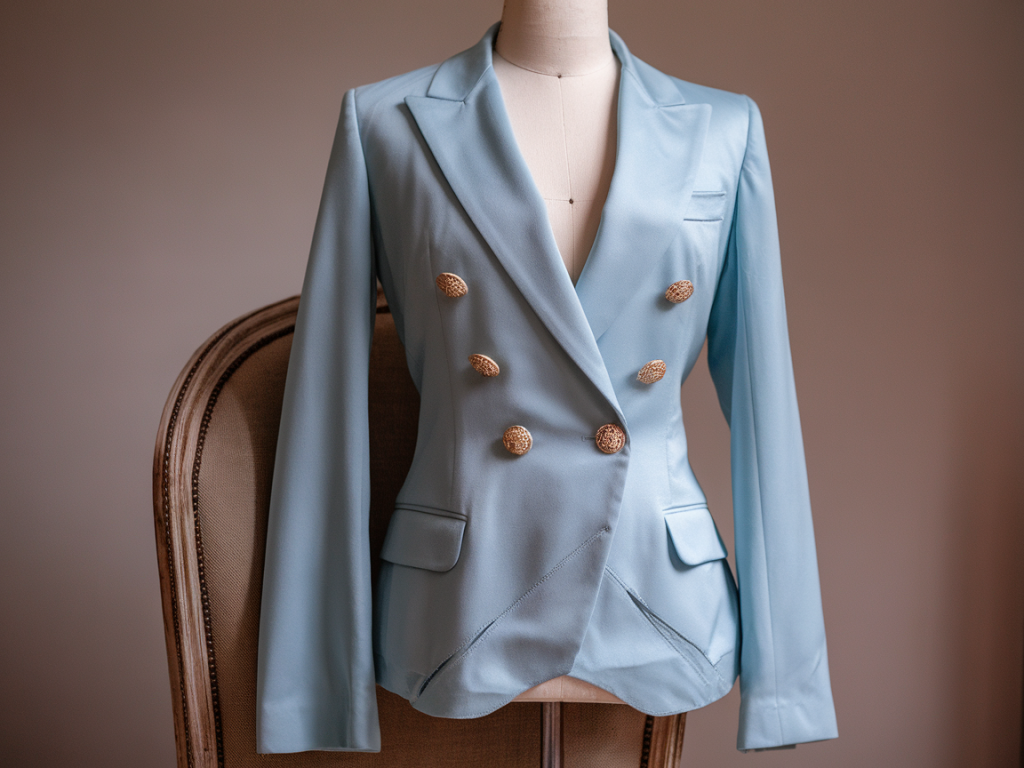
I have a soft spot for old blazers. There’s something about the structure, the way a blazer can make even a simple jeans-and-tee outfit look considered, that keeps me hunting thrift racks and wardrobe cast-offs. But more often than not, those vintage or budget blazers need a little love to feel modern and flattering. Over the years I’ve learned a few tailoring tricks that turn a so-so blazer into one I reach for weekly. Below I share practical hacks I use myself, and one single hem alteration that, when done right, transforms the entire fit.

First: assess what’s actually wrong

Before you pin, cut or rush to a dry cleaner, take a moment to try the blazer on and look at it from different angles. Ask yourself:

  • Does the shoulder sit on your natural shoulder line or droop past it?
  • Is there gaping at the button when you close it?
  • Are the sleeves too long or show too much shirt cuff?
  • Is the body boxy and shapeless? Or does it pull awkwardly?
  • Is the length proportionate to your torso and the trousers/skirts you want to wear it with?
  • Pinpointing the specific issue makes the rest of the process much simpler—and cheaper.

    Small tailoring hacks that make a big difference

    These are my go-to, relatively inexpensive fixes. I tend to try them in this order because they’re the least invasive and often all that’s needed.

  • Move the buttons — Repositioning the button or adding a second button (slightly higher or lower) is a small change that can eliminate gaping and create a neater silhouette. It’s a cheap, quick fix and a great first step if the blazer “splays” when buttoned.
  • Taper the sides — Taking in the side seams by 1–3 cm on each side contours a boxy blazer into something more tailored without changing the overall character. This is my favourite when I want a casual, slightly feminine look from a menswear-inspired jacket.
  • Adjust the shoulders (only by a pro) — Shoulder work is fiddly and usually pricier, but shifting shoulder pads or the seam by a small amount makes ill-fitting blazers wearable. I do this only when the blazer is worth it—good fabric, vintage details, or sentimental value.
  • Replace shoulder pads — Swap heavy, dated pads for slimmer, modern ones—or remove them completely. The difference in silhouette can be night and day.
  • Sleeve shortening — Hemming sleeves to show a little shirt cuff or break at the wrist gives a cleaner look. I usually ask for the lining to be shortened too so it doesn’t peek out.
  • The one hem alteration that transforms fit

    If I had to pick one single alteration that consistently makes an old blazer feel new again, it’s shortening the body length by 2–4 cm (about ¾–1½ inches). This small adjustment is subtle but pivotal. Why? Because proportion is everything: a slightly shorter blazer sits better with modern high-rise jeans, tailored trousers, and midi skirts. It creates the illusion of a higher waist, a neater shoulder-to-hip line, and instantly modernizes a dated silhouette.

    How to decide how much to take off: try the blazer with the pieces you plan to wear most often. If it covers your bottom or hits the widest part of your hip, nudge it up. For petite frames, even 3 cm makes a huge difference. For taller bodies, aim for a balance where the blazer still provides coverage but doesn’t overwhelm the outfit.

    Important: ask your tailor to take the hem evenly from front and back and to adjust the vent(s) so the blazer sits properly when you move. If the lining isn’t shortened as part of the job, you’ll end up with an awkward inner hem—so insist they do it right. A professional will also preserve any topstitching or edge detail so the finish looks intentional.

    Practical before-you-go-to-the-tailor checklist

    Save yourself time (and avoid unnecessary alterations) by bringing this checklist to your appointment:

  • Try the blazer with the top and bottoms you usually pair it with—high-rise jeans, a midi skirt, or work trousers.
  • Pin where you want the front hem to sit while wearing it. Photos of you in the blazer from the front, back, and side help the tailor understand your vision.
  • Decide if you want to keep the original character (boxy menswear versus nipped feminine) and tell your tailor—vibe matters.
  • Ask about lining adjustments and vent work; these add a small cost but make a huge difference in the way the blazer moves.
  • Discuss how the sleeve hem will be finished—functional buttons on the cuff look nicer if you want a dressier finish.
  • DIY tweaks for the brave

    If you’re comfortable with a sewing machine there are a couple of simple things you can do at home:

  • Move or add a button: easy and reversible.
  • Take in the side seams by a small amount: remove the lining, stitch the new seam, reattach lining.
  • Shorten sleeves: work with the lining so it doesn’t peek out later.
  • But for body length alterations I usually recommend a pro unless you have experience with tailored garments. Getting the hemline even, preserving the facing, and dealing with vents are all worth a small fee.

    What to expect on price and timing

    Prices vary by region and tailor, but here’s a rough guide (UK-based):

    AlterationTypical costTime
    Move/add button£8–£20Same day–a few days
    Taper sides£25–£602–7 days
    Sleeve shortening£20–£452–7 days
    Shorten body hem (including lining & vent)£40–£903–10 days

    These are ballpark figures; always ask for an estimate and a timeline. For vintage or delicate fabrics, the price can be higher but worth it if the piece has good bones.

    Final styling tips after the alterations

  • Pair a slightly shortened blazer with high-waisted jeans and a tucked tee for instant polish.
  • Use a lightweight knit or camisole underneath in warmer months—shorter jackets show more waist and look less bulky.
  • Mix textures: a tweed or wool blazer benefits from silk or satin accessories to modernize the outfit.
  • Don’t forget shoes—mules, loafers or a slim ankle boot keep the silhouette streamlined.
  • Revamping an old blazer doesn’t have to be dramatic or expensive. With a few thoughtful tailoring hacks—and often just one modest hem adjustment—you can keep the pieces you love in regular rotation and give them a fresh, wearable life. If you’ve got a blazer in need of rescue, I’d love to hear what’s putting you off wearing it and help you decide which tweak will make the biggest difference.
    You should also check the following news:

    How to build a two-bottle skincare travel kit for flights, hotel rooms and carry-on limits
    Beauty

    How to build a two-bottle skincare travel kit for flights, hotel rooms and carry-on limits

    There’s a special kind of calm that comes from packing a tiny, reliable skincare kit before a...

    Can you use facial oils at night with retinol? a simple routine for sensitive, congestion-prone skin
    Beauty

    Can you use facial oils at night with retinol? a simple routine for sensitive, congestion-prone skin

    I used to think of facial oils as either a luxury or a skincare sin depending on the day —...