Fashion

how to choose sustainable denim that fits your lifestyle (and which brands i recommend)

how to choose sustainable denim that fits your lifestyle (and which brands i recommend)

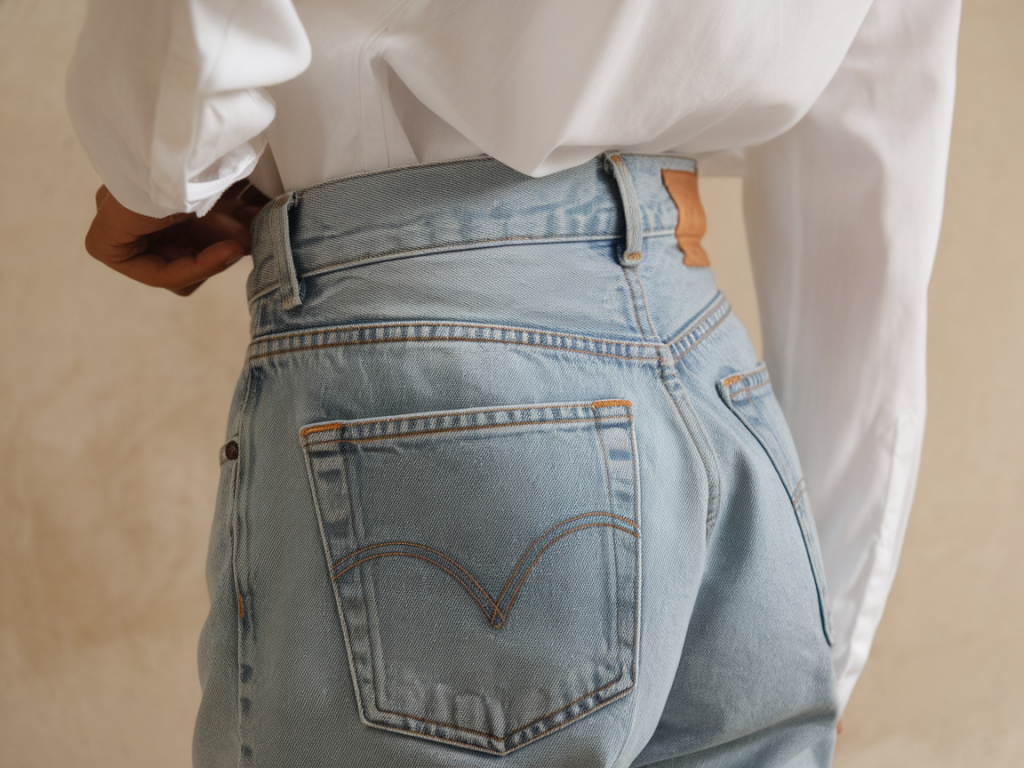
Denim is one of those wardrobe staples that feels personal — it’s the fabric you wear on coffee runs, holiday trains, and days when you need to feel a little more put-together without trying too hard. Choosing sustainable denim can feel overwhelming: there are so many labels, certifications and buzzwords. Over the years I’ve learned to cut through the noise by asking a few practical questions about how I actually live, and by favouring pieces that will last and that I’ll reach for again and again. Here’s how I pick sustainable denim that fits my lifestyle — and a few brands I genuinely recommend.

Start with your lifestyle, not the label

Before I get distracted by a pretty wash or a shiny sustainability badge, I ask myself simple questions about how I’ll wear the jeans:

  • Do I need something hard-wearing for commuting or chasing kids, or something softer and more relaxed for weekends?
  • Is climate a factor? Heavy rigid denim is gorgeous in autumn and winter but can be a lot in a warm, humid summer.
  • How important is versatility? Do I want a pair I can dress up with heels or keep casual with trainers?
  • Answering these helps me choose the right cut and weight (rigid vs. stretch), rather than simply buying a pair because it’s “sustainable.” For example, if I’m walking a lot, I prioritise durability and fit over the lightest wash. If I’m after a travel pair, a slight stretch for comfort and quicker drying is my go-to.

    Key sustainability features I actually look for

    Not all eco claims mean the same thing. These are the specifics I check on labels and product pages:

  • Materials: Organic cotton and recycled cotton are my top picks. Organic cotton reduces pesticide use and tends to be kinder to farming communities. Recycled cotton and recycled polyester help keep textiles out of landfill.
  • Water-saving processes: Look for brands that use laser or ozone washes, and those that publish water-use data. Denim finishing can be the most polluting stage, so transparency matters.
  • Certifications: GOTS (Global Organic Textile Standard) for organic fibres, OEKO‑TEX for limited harmful substances, and BCI (Better Cotton Initiative) are useful to see. They don’t guarantee perfection but they show a higher bar than a vague “eco” tag.
  • Supply chain transparency: Brands that list their factories, or that have third-party audits, are more trustworthy. I prefer companies that show steps to improve worker conditions and environmental impact.
  • Durability and repairability: Thick selvage denim or well-constructed seams mean a longer life. Bonus points for brands that offer repair services or sell spare buttons and patches.
  • Fit and fabric choices — what to choose for different needs

    How a pair of jeans is cut and the fibre composition can dramatically change how they wear and age.

  • Rigid, 100% cotton: These age beautifully (hello, fades and character) and are very durable. They’re ideal if you want a long-term favourite and don’t need stretch for comfort. They can feel stiff at first, so expect a breaking-in period.
  • Slight stretch (1–3% elastane): Comfortable and forgiving, great for everyday wear and travel. Slightly less “authentic” looking over time, but practical.
  • Recycled blends: Often mixed with recycled polyester for durability and recovery. They work well for people who need wash-and-go denim that keeps its shape.
  • Selvage denim: A higher-end option known for quality and longevity. Selvage is often sold by brands who care about craftsmanship, but it comes at a premium.
  • Care and mending: small habits that make denim sustainable

    Sustainability isn’t only about how jeans are made — it’s also how long you keep them.

  • Wash infrequently. Spot-clean, air out, and only wash when necessary.
  • Turn jeans inside out and use a cool wash; hang to dry to save energy and prevent shrinkage.
  • Learn basic mending: reinforcing seams, patching knees, and replacing buttons extend the life dramatically. I teach myself tiny repairs and it feels satisfying (and sustainable).
  • Consider a repair service. Many sustainable brands offer repairs or have partnerships with local tailors.
  • Secondhand and vintage options — often the best sustainability win

    Buying pre-loved denim is probably the most circular option. I find that classic cuts and raw selvedge ages better, and you can often snag high-quality vintage pieces for less. Tips when buying secondhand:

  • Check the crotch and thigh areas for wear — those are the first places to thin.
  • Look for brands known for durability (Levi’s vintage, Lee, Wrangler, or older selvedge pieces).
  • If it’s not a perfect fit, factor in the cost of alterations. I’d rather tailor a slightly oversized vintage pair than buy new fast-fashion denim.
  • Brands I actually recommend (and why)

    I’ve tried many brands and keep coming back to those that balance transparency, craft and style. Below is a quick comparison to help you decide.

    Brand Why I like it Best for
    Nudie Jeans Organic cotton, free repairs, strong transparency and a good pre-loved programme. People who want durability and repair options.
    Levi's (WellThread & Vintage) Large range, water-saving processes in some lines, famous fits and years of wearability. Anyone after classic fits with sustainability credentials.
    Everlane Transparent pricing, decent sustainable lines and accessible fits. Minimalists who want clean styles and transparency.
    Kuyichi / Kings Of Indigo European brands with strong organic and recycled cotton focus and fair production practices. Shoppers after ethically made, modern cuts.
    Outland Denim Ethical manufacturing (employs and trains vulnerable women), high-quality construction. People who value social impact as much as environmental impact.

    Practical buying checklist

    Before I click “buy,” I run through this short checklist. You can paste it into the notes app on your phone for shopping trips.

  • Do I love the fit enough to wear this a lot?
  • Is the fabric composition suitable for my climate and needs?
  • Is the brand transparent about materials and factories?
  • Does the price reflect quality and potential longevity?
  • Can this be repaired or tailored if needed?
  • Choosing sustainable denim is as much about how you wear and care for your jeans as it is about the brand tag. When I choose pieces with a focus on fit, durability, and transparency — and when I commit to mending or buying pre-loved — the result is a wardrobe that feels richer, not heavier. Happy hunting, and may your next pair be the one you reach for season after season.
    You should also check the following news:

    my honest review: five drugstore sunscreens that won’t pill under foundation
    Beauty

    my honest review: five drugstore sunscreens that won’t pill under foundation

    Choosing a sunscreen that actually sits happily under makeup is one of my tiny but persistent...

    what i pack in my carry-on beauty bag for red-eye flights
    Beauty

    what i pack in my carry-on beauty bag for red-eye flights

    I always treat a red-eye like a mini ritual rather than an endurance test. After years of...