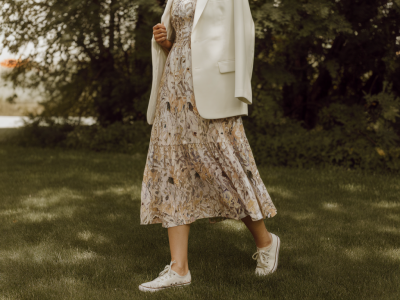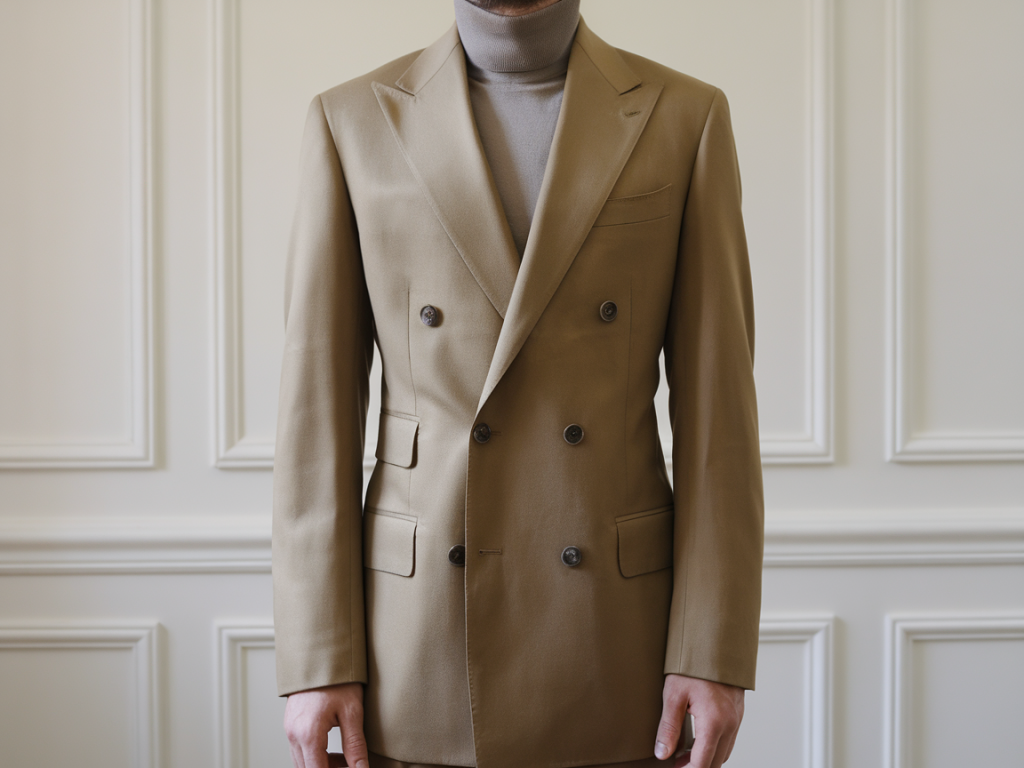
I have a soft spot for blazers — they instantly polish an outfit and somehow make even jeans-and-tee feel intentional. But off-the-rack blazers rarely fit like they were made for you. Overly boxy waists, sleeves that drown your wrists, and shoulders that sit like you borrowed someone else’s jacket are all-too-familiar. After years of testing tailoring tricks (and a few too many impulse blazer buys), I settled on a reliable, budget-friendly formula: one simple £15 alteration plus two styling moves that together fake a tailored fit every time.
The one alteration worth £15
If you can afford only one alteration, spend it on having the tailor take in the waist at the side seams or add subtle back darts. This is the single change that transforms a blazer from shapeless to structured without altering the overall proportions or shoulder line.
Why this works:
What to ask your tailor (bring a mirror):
Typical cost in the UK: around £12–£25 for a simple side-seam take-in. I’ve paid £15 many times and found it transformational.
Styling move #1 — Belt to create instant tailoring
Belted blazers are one of my favourite tricks. It’s an easy way to fake a fitted look without permanent changes, and it adds a sense of intentionality that reads tailored.
How I do it:
Why it works:
Styling move #2 — Sleeve roll + layer for proportion
Cuffed sleeves and the right underlayers can do more for perceived fit than you’d think. Rolling the sleeves up to just above the wrist or at mid-forearm introduces shape and reveals a fitted base layer that contrasts with the blazer’s structure.
How I style sleeves:
Why it works:
Quick shopping and care tips
- Find a good local tailor: A neighbourhood seamstress often does simple nips for £10–£20. Bring the blazer and try it on with the clothes you’d usually wear underneath so they can advise.
- Fabric matters: Heavier wool or suiting fabric responds beautifully to a side-seam nip. Slippery linings may need additional stitch anchoring—ask your tailor.
- Keep the original fit in mind: If you like occasional oversized looks, request that the tailor leave a bit of ease so you can wear chunky knits in winter.
- Store with shape: Use a padded hanger or add a shoulder form to keep shoulders looking sharp.
| Before | After |
|---|---|
| Boxy waist, straighter silhouette | Defined waist, hourglass shape |
| Long, full sleeves | Rolled cuffs or tailored sleeve length |
| Unstructured front | Belted or darted for shape |
FAQs I get asked a lot
Can you do this on any blazer? Mostly yes — woven blazers and relaxed suiting respond best. Structured military or heavily padded shoulders may need a different approach, but the side-seam nip still helps.
Will the alteration ruin resale value? A basic side-seam alteration is easily reversible if the tailor leaves the original seam allowance. If resale matters, ask them to use tacking stitches that can be removed.
What about shoulder fit? Shoulders are the toughest issue and usually the most expensive to fix. I avoid altering shoulders unless the blazer is a real investment piece. Instead, use the two styling moves above to visually correct shoulder imbalance.
Try this approach on a blazer you already own and on one you’re considering buying. Often a £15 tweak plus thoughtful styling turns a so-so jacket into something you’ll reach for every week. It’s the sort of small, honest change I love: affordable, practical and quietly transformative.