There’s nothing more deflating than applying sunscreen in the morning with the hope of glowing, protected skin—only to find your foundation bunching up into tiny pills across your forehead and nose. I’ve spent years testing combinations, switching products mid-makeup, and learning to listen to my skin. Over time I landed on a simple, repeatable morning order of products that actually works to stop sunscreen pilling under foundation. Below I’ll walk you through why pilling happens, how to choose the right formulations, and the exact steps I follow (with brand examples where helpful).
Why sunscreen pills under foundation
Pilling happens when layers don’t layer well—usually because of incompatible textures or too much product sitting on the skin’s surface. Common causes:
Layering incompatible ingredients: Silicones on top of heavy emollients, or thick cream sunscreens beneath a water-based primer, can create friction and cause tiny bits to roll up.Too much product: Applying thick layers—especially of moisturizer and sunscreen—means excess sits on the surface and moves when you buff on foundation.Insufficient absorption time: Not allowing each layer to sink in will increase the chance of pilling.Rubbing instead of pressing: Dragging brushes or sponges across the skin can gather product into pills.My simple morning order that stops pilling
I follow a minimal, thoughtful order designed to give each product room to behave. It works whether I’m wearing a light BB cream or full coverage foundation.
1. Clean, gentle cleanse: I start with a quick splash or a gentle gel cleanser if I need to remove night-time oils. Too much residue from heavy cleansers or balms can leave a slippery base.2. Lightweight hydrating serum: If my skin is thirsty, I use a thin humectant serum (think hyaluronic acid). It sinks in quickly and doesn’t leave a film. My go-to is The Ordinary Hyaluronic Acid 2% + B5 or a similar lightweight serum.3. Lightweight moisturizer (only if needed): Less is more. I apply a pea-sized amount of a light, non-greasy moisturizer to dry areas only—usually the cheeks. If my skin is oily, I skip this step entirely.4. Mineral or chemical sunscreen with the right texture: This is the most crucial step—pick a sunscreen that plays nicely with makeup. I prefer either a thin mineral sunscreen that blends like a fluid (EltaMD UV Clear is a favourite for sensitive/acne-prone skin) or a silky chemical SPF that absorbs cleanly (La Roche-Posay Anthelios Ultra-Light is excellent).5. Wait time: Wait 2–3 minutes for the sunscreen to set. Not long, but long enough for it to stop feeling tacky.6. A lightweight primer only where needed: If you want to use a primer, choose one with a similar base to your sunscreen—silicone-based primer with silicone sunscreen, water-based primer with water-like sunscreens. I like to apply primer only to the T-zone or areas where makeup breaks down, using a tiny dab.7. Apply foundation with a damp sponge, pressing rather than dragging: This is key. The press-and-roll motion anchors product instead of moving skincare around. A beauty sponge like the Real Techniques Miracle Complexion Sponge or a dampened Beautyblender works wonders.8. Set very sparingly with a lightweight powder: If you need longevity, a light dusting of translucent powder on the T-zone is enough. Avoid heavy baking, which can emphasize pilling.Texture matching: the simple rule I follow
One practical tip that changed everything for me: match the texture family. If your sunscreen feels silicone-y (slippery, velvety, slightly tacky), use a silicone primer and a silicone-friendly foundation or a skin tint. If your sunscreen feels water-like and absorbs immediately, pair it with water-based primers and lightweight foundations. Mixing texture families is where pilling often begins.
Product-type cheat sheet
| Problem | What to use | What to avoid |
| Oily skin | Gel moisturiser, lightweight chemical sunscreens (Anthelios Ultra-Light), water-based primers | Thick creams, heavy oils, too much powder |
| Dry skin | Light emollient (small amount), mineral sunscreens that leave a dewy finish (EltaMD), hydrating primers | Matte powders in large amounts, alcohol-heavy formulas |
| Sensitive/acne-prone | Non-comedogenic sunscreens (EltaMD UV Clear), fragrance-free skincare | Heavy occlusives and fragranced serums |
Application techniques that actually help
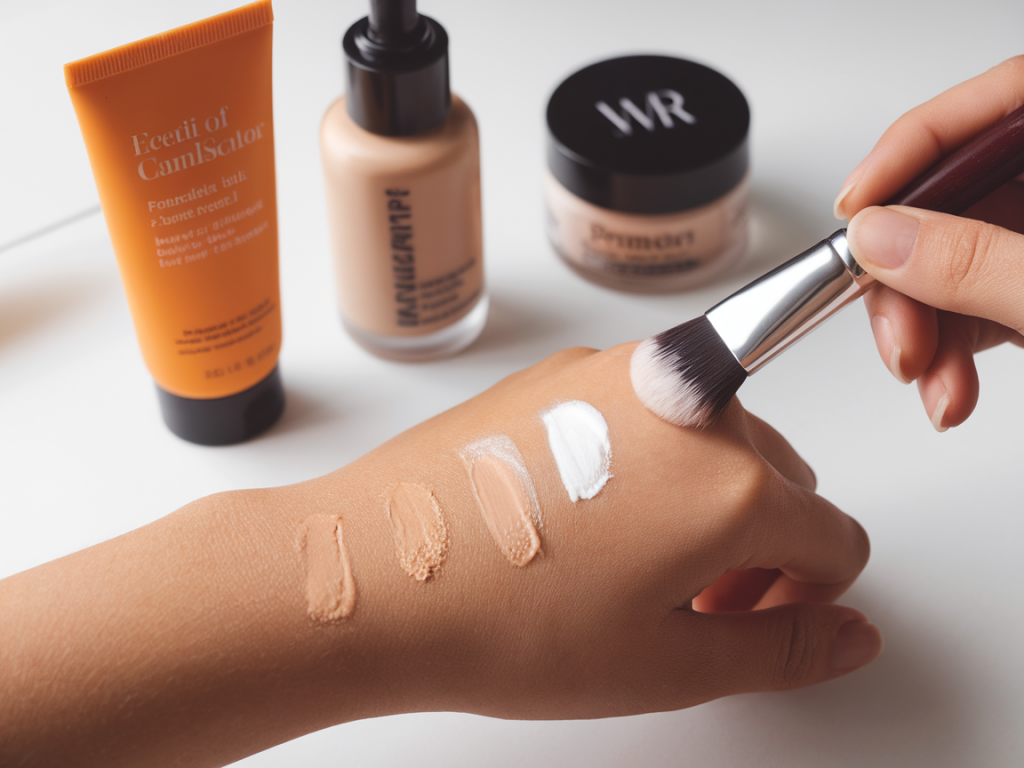
Less is more: Apply products sparingly. A thin layer of sunscreen provides protection when applied correctly—no need to pile it on.Pat, don’t rub: Use pressing motions with your fingers or a damp sponge when applying foundation.Buff last: If you use a brush, apply foundation with a damp sponge first, then very lightly buff areas that need blending with a brush—this reduces movement.Test a small area: When trying a new sunscreen, test it with your foundation on one cheek. If you see pilling, switch either the sunscreen or the foundation.Quick fixes when pilling still happens
Use micellar water or a toner pad: Gently sweep away the pilled area with a micellar cloth and reapply foundation to that spot only—pressing, not rubbing.Layer differently: If your sunscreen pills with a particular primer, skip the primer and set with powder on the oily zones instead.Switch tools: If you normally use a dense brush, try a damp sponge. That switch alone solved pilling for me on many mornings.Brands and formulas I often reach for
To be practical, here are the specific products I rotate depending on the season:
Light, chemical SPF: La Roche-Posay Anthelios Ultra-Light SPF 50Mineral, gentle SPF: EltaMD UV Clear Broad-Spectrum SPF 46 (great under makeup)Lightweight serum: The Ordinary Hyaluronic Acid 2% + B5Small, effective moisturiser: CeraVe Daily Moisturizing Lotion (used sparingly)Primer: Smashbox Photo Finish (silicone-based) or Hylamide Pore Flush for a light, water-based optionFoundation application tool: Real Techniques Miracle Complexion Sponge or damp BeautyblenderThere’s no single magic product that prevents pilling for everyone—skin type, climate and the specific formula combinations all matter. But if you adopt a mindful order of light layers, wait briefly between steps, match textures, and press rather than rub, you’ll dramatically reduce pilling. It’s the small, consistent habits that make the morning routine feel effortless rather than finicky.