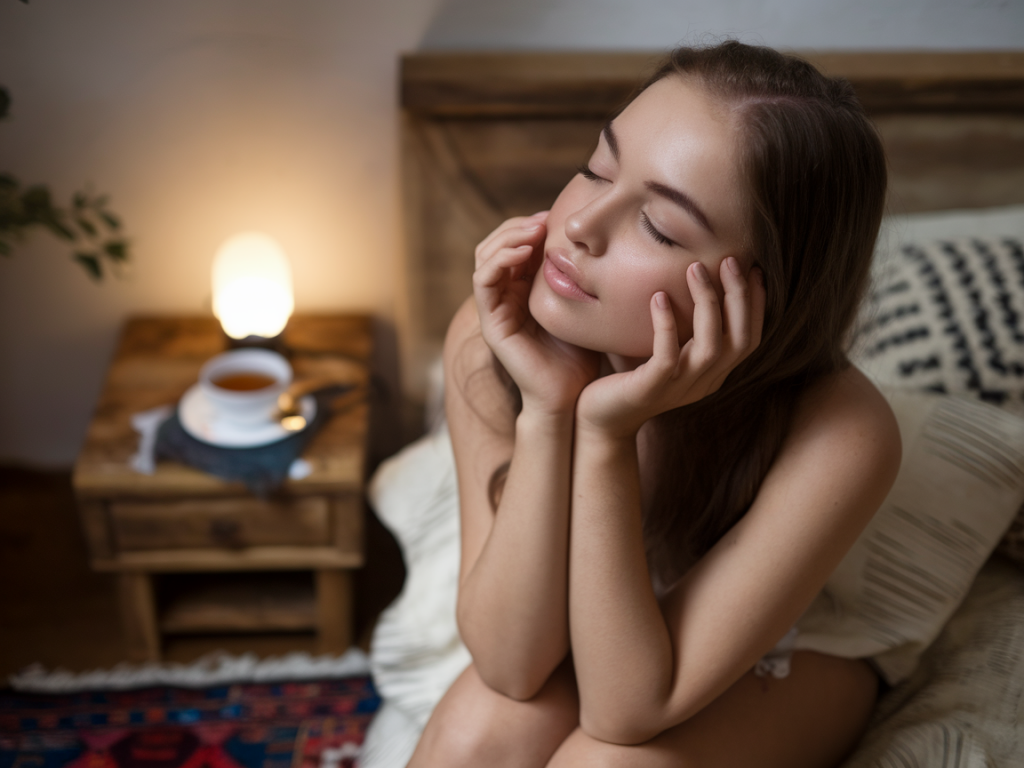
I used to lie awake most nights, scrolling, replaying the day, and telling myself I’d "get to sleep soon" — until I noticed those minutes adding up into hours. Over time I developed a tiny ritual that takes no more than five minutes, uses a steaming cup of tea, a simple breathing pattern, and one bedside product that anchors the whole thing. It’s not a magic bullet, but it reliably calms a busy mind and nudges my body toward rest. Below I’ll share exactly how I do it, why it works, and little tweaks depending on what your evenings look like.
Why five minutes?
There’s a pressure in modern wellness to overhaul our lives overnight. I wanted something practical: a habit I’d actually keep. Five minutes is short enough to feel achievable every night and long enough to shift attention away from rumination. The aim is to change your nervous system’s tone — not to force sleep immediately, but to send a clear signal that the day is ending and rest is welcome.
The three elements: tea, breathing, and one bedside product
Each component plays a distinct role:
- Tea: a warm, non-caffeinated ritual that signals comfort and routine.
- Breathing: a fast, evidence-backed way to calm the autonomic nervous system.
- One bedside product: a tactile or sensory anchor that extends the ritual once you’re under the covers (my go-to: a lavender pillow spray).
What I use — and alternatives
I keep my tea simple — Pukka Night Time or a plain chamomile works for me. For the bedside product I spray This Works Deep Sleep Pillow Spray once on my pillow and once on the duvet. It’s a small sensory nudge that I’ve come to associate with sleep. If you’re sensitive to scents, a smart dimmable lamp (Philips Hue warm white) or a cool-weight eye mask are lovely alternatives.
| Tea | Why I like it | Alternatives |
|---|---|---|
| Pukka Night Time | Blend of chamomile, valerian and lavender — soothing without being heavy | Yogi Bedtime, loose chamomile |
| Chamomile | Gentle, widely available, minimal aroma | Rooibos with a slice of orange |
| Non-caffeinated herbal mix | Customisable — add honey or lemon | Mint, lemon balm |
How to do the five-minute ritual (step-by-step)
Do this as close to your intended bedtime as possible. I aim for the same start time most nights, which helps my internal clock.
- Minute 0–1: Make the tea quietly. I put the kettle on, choose a small mug, and steep just enough for one cup. The act of boiling water and the steam rising is already calming; I give myself permission to enjoy the small sensory moment.
- Minute 1–2: Sit or stand and inhale the aroma. While the tea steeps for another 30–45 seconds, I hold the mug close and take a few slow sips. This anchors me in the present — no screens, no to-do lists. If you prefer, keep the cup on your bedside table and come back to it once you’re in bed.
- Minute 2–5: The 4-7-8 breathing exercise. I use the 4-7-8 method because it’s compact and effective: breathe in quietly through the nose for 4 seconds, hold the breath for 7 seconds, and exhale audibly through the mouth for 8 seconds. Repeat three times. That’s it — three cycles in less than three minutes, and it usually feels like a reset.
- Final action: Use your bedside product. After the breathing exercise I spray a light mist of my pillow spray (two spritzes) or flip on my warm bedside lamp for 30 seconds and dim it — the sensory cue solidifies the ritual. Then I get into bed, turn off the lamp, and let the cue continue as I settle.
Variations if you don’t drink tea or prefer silence
- If you avoid liquids before bed: skip the tea and extend the breathing from three to five cycles, or add a short body scan (focus on relaxing shoulders, jaw, chest, stomach, legs) for the extra minute.
- If scents bother you: use a gentle weighted eye mask for tactile comfort or a bedside fan/humidifier to create steady white noise.
- Traveling? Pack a small spray bottle of lavender or a noise machine app. The consistency of the steps matters more than the exact props.
Why the 4-7-8 breath works
The 4-7-8 method slows your heart rate and increases parasympathetic activity — the "rest-and-digest" side of your nervous system. Holding the breath slightly longer and extending the exhale encourages your body to downshift. I notice a tangible difference after one or two nights; my thoughts feel less urgent and my body signals sleepiness more quickly.
Common questions
What if I don’t fall asleep right away? That’s okay. The goal is to change the tone of your evening. If sleep doesn’t come, repeat the breathing sequence or read silently for ten minutes under dim light.
Can I use caffeinated tea? No — avoid caffeine after mid-afternoon. Even small amounts of caffeine can disturb sleep architecture.
Is it safe to use essential oils or sprays every night? For most people, yes, but test a small skin patch if you have fragrance sensitivities. If you have asthma or allergies, consult your GP before nightly use.
A couple of practical tips I wish I’d known earlier
- Keep everything in one small tray on your bedside table: mug, tea bags, the pillow spray, a small notebook (for urgent thoughts). That makes the ritual effortless and less likely to be skipped.
- Stick to the same start time as much as possible. A little consistency is the secret ingredient.
- If you’re waking at night, use the same breathing quickly rather than reaching for your phone. It’s a portable anchor you can do in the dark.
This ritual is intentionally small — not a total nighttime overhaul, but a reliable pause button. When I keep to it, my evenings feel deliberate rather than accidentally long, and my sleep improves in small, steady ways. If you try it, start simple and adjust the tea, the breath count, or the bedside product to suit you. I’d love to hear what works for you — send a note or drop a comment on Glassespeaks.