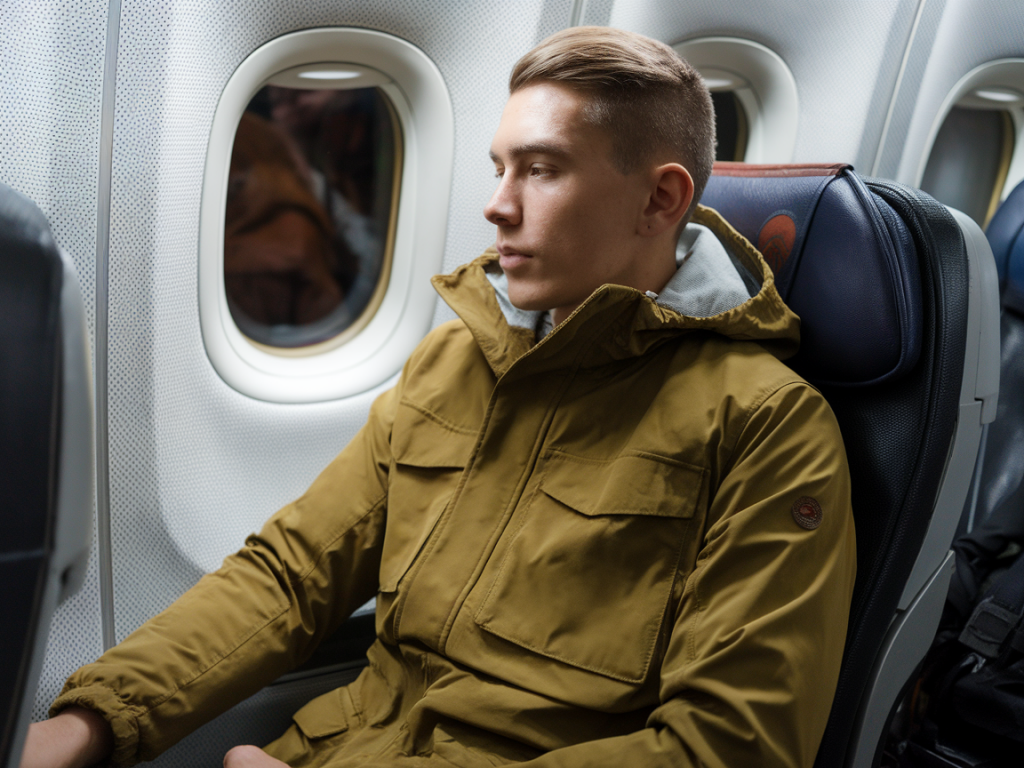
I have a travel jacket I reach for more than any other — the one that lives in my carry-on and somehow manages to be both my warm layer on a cold plane and my go-to for photos when I step off the aircraft. Picking that “perfect” travel jacket isn’t about choosing the most expensive piece; it’s about finding the best mix of weight, warmth, crease resistance and style. After too many flights wearing stiff blazers or bulky parkas that looked tired on arrival, I learned what elements actually matter for long-haul travel. Here’s what I look for now, and the jackets that consistently deliver.
What I need from a travel jacket
Before I get into specific fabrics or brands, here are the practical questions I ask myself before grabbing a jacket for a flight:
Will it keep me warm without being bulky?Will it resist creasing or at least unfurl nicely on arrival?Can it be layered easily depending on cabin temperature?Does it look polished in photos without trying too hard?Is it packable and light enough to carry all day?If a jacket checks most of those boxes, it goes into rotation. If not, it stays at home.
Fabrics and construction that make a difference
There are a few fabrics that consistently perform well for long-haul flights:
Lightweight down / synthetic insulated jackets (e.g., Uniqlo Ultra Light Down, Patagonia Nano Puff) — These offer excellent warmth-to-weight ratio and pack down tiny. The trick is to choose one with a smooth outer fabric, which resists creasing and looks neat in photos.Softshells and technical woven fabrics (e.g., Arc'teryx Atom LT, North Face Thermoball) — These are more structured than down and often have a slightly dressier silhouette. They’re breathable and weather-resistant, which is useful if you’re stepping into a damp arrival city.Wrinkle-resistant blazers and travel-specific jackets (e.g., Uniqlo’s blazer range, M&S travel blazers, travel blazers from brands like Beta by Bluffworks) — These are designed to look polished and stay crease-free even when packed. They’re my choice if I need to transition straight to a meeting or dinner.Lightweight trench or mac (e.g., a classic cotton-poly blend trench) — These are stylish and camera-friendly. They aren’t usually the warmest, but they layer beautifully over sweaters and don’t add bulk.For me, a hybrid approach often wins: a lightweight insulated jacket with a clean, tailored cut. It gives the warmth of insulation but reads well in images and doesn’t scream “outdoor gear.”
Design features I hunt for
Beyond fabric, certain design details really elevate a travel jacket:
Structured collar: A collar that sits neatly frames the face in photos — think stand-up or soft notched collars rather than floppy hoods.Minimal quilting: Big quilted panels can look bulky. Channel quilting or smooth panels that avoid exaggerating width are more flattering.Hidden zip or snap placket: A clean front looks more polished than exposed hardware.Pockets with closures: Zipped or buttoned pockets keep essentials secure and look tidy on the outside rather than sagging.Packability features: Internal pockets that turn jacket into its own stuff-sack are a small luxury for carry-on travel.How to keep your jacket crease-free
Wrinkles are the enemy of a camera-ready look. Here are the practical tricks I use:
Choose fabrics with a bit of elastane or technical blends — they spring back into shape after being folded.Roll don’t fold when you pack. Rolling reduces sharp creases and takes up less space.Use the “wear on the plane” trick: if your jacket is slightly bulky but very wrinkle-resistant, wear it instead of packing it.Hang it in the bathroom while you shower — the steam relaxes minor creases. Don’t leave it in the wet steam for long, but ten minutes can do wonders.Carry a small travel steamer or a wrinkle-release spray if you travel often and need immaculate layers for meetings or photos.Style tips: look camera-ready on arrival
I like to think about the jacket as the finishing touch that makes an outfit look intentional — even after 10+ hours on a plane. A few rules I follow:
Stick to neutral colours for a polished travel wardrobe — navy, charcoal, camel, or olive are flattering and versatile.Consider neckline and layers — a V-neck sweater or a neat scarf worn under the collar frames the face nicely in a photo.Textures matter on camera. A soft matte fabric looks more flattering than shiny nylon, which can reflect cabin lights and look cheap.Keep hardware simple — small zips and buttons photograph better than oversized buckles.My tested recommendations
Over the years I’ve tried many jackets. Here are a handful that have earned a permanent spot in my suitcase:
Uniqlo Ultra Light Down Jacket — Affordable, packs tiny, very light but surprisingly warm. Choose a version with a smooth shell for better photos. It’s not the most structured piece, but it’s unbeatable for temperature control.Patagonia Nano Puff — A little more polished than a puffer thanks to its smooth outer fabric and slimmer profile. Great for wet weather and it packs down well.Arc’teryx Atom LT — Technical, warm, and with a clean silhouette. It’s slightly pricier but the tailoring and fabric quality make it worth it for frequent flyers.Blazer-style travel jackets (e.g., Uniqlo or M&S travel blazers) — If I’m headed straight to a meeting or want a fancier arrival look, a wrinkle-resistant blazer beats everything. It’s not for Nordic winters on board, but layer it over a lightweight down vest and you’re set.Lightweight trench or mac — For spring/summer travel, a trench looks stylish and photogenic. It won’t replace insulation, but it layers beautifully for city escapes.Packing and airport hacks
Finally, a few practical habits that save me from wrinkled, tired outfits:
Always wear your bulkiest shoes and jacket onto the plane to free up carry-on space.If you need a polished look on arrival, remove the jacket and fold it over a hanger in the overhead locker rather than crushing it at the bottom of your bag.Keep a small travel scarf or pashmina in your bag — it doubles as a neck layer and a photo-friendly accessory.Use tissue paper lightly layered within folds to prevent deep creasing in especially delicate fabrics.Choosing the right travel jacket is one of those small decisions that makes a trip feel easier and more composed. For me, the ideal piece is lightweight, has a clean silhouette, resists creasing and offers just enough warmth for a chilly plane without adding bulk. Over time I’ve learned to favour a technical fabric with a refined cut, and I rarely travel without a version of that combo. It makes arriving—whether to a weekend city break or a new country—feel a little more intentional and a lot less frazzled.