There’s something endlessly satisfying about finding a blazer at a charity shop or vintage market and knowing, with a little work, it could become a weekday wardrobe hero. I’ve turned more than a few thrifted blazers into pieces I reach for on back-to-back Zoom days, client meetings and relaxed Friday dress-downs. The secret isn’t a complete overhaul — it’s three small tailoring tweaks that sharpen the silhouette and one reliable styling rule that keeps the whole look modern and effortless.
Why bother tailoring a thrifted blazer?
Thrifted blazers are full of character: interesting fabric, unusual buttons, sometimes even a great shoulder or lapel. But off-the-rack (or off-the-rack-that-was-second-hand) they often feel bulky, boxy, or slightly dated. Tailoring is how I bridge that story-rich garment and my everyday needs. A little adjustment makes a blazer feel bespoke, flattering and, crucially, versatile enough to dress up or down.
The three tailoring tweaks I use every time
I stick to three go-to tweaks that repeatedly transform a blazer without breaking the bank. Each change is reversible or small enough that the blazer still retains its thrifted charm.
- Take in the sides slightly.
Most thrifted blazers are cut roomier than I like. Asking a tailor to take in the side seams by an inch or two — depending on your size — slims the silhouette and prevents that ‘sack’ look when buttoned. It’s a subtle change, but it makes the blazer sit closer to the body and instantly looks more intentional. If you sew, you can do this at home on a basic machine; otherwise, a local tailor will do it for a modest fee.
- Shorten the sleeves by 1–2 cm or add a small roll.
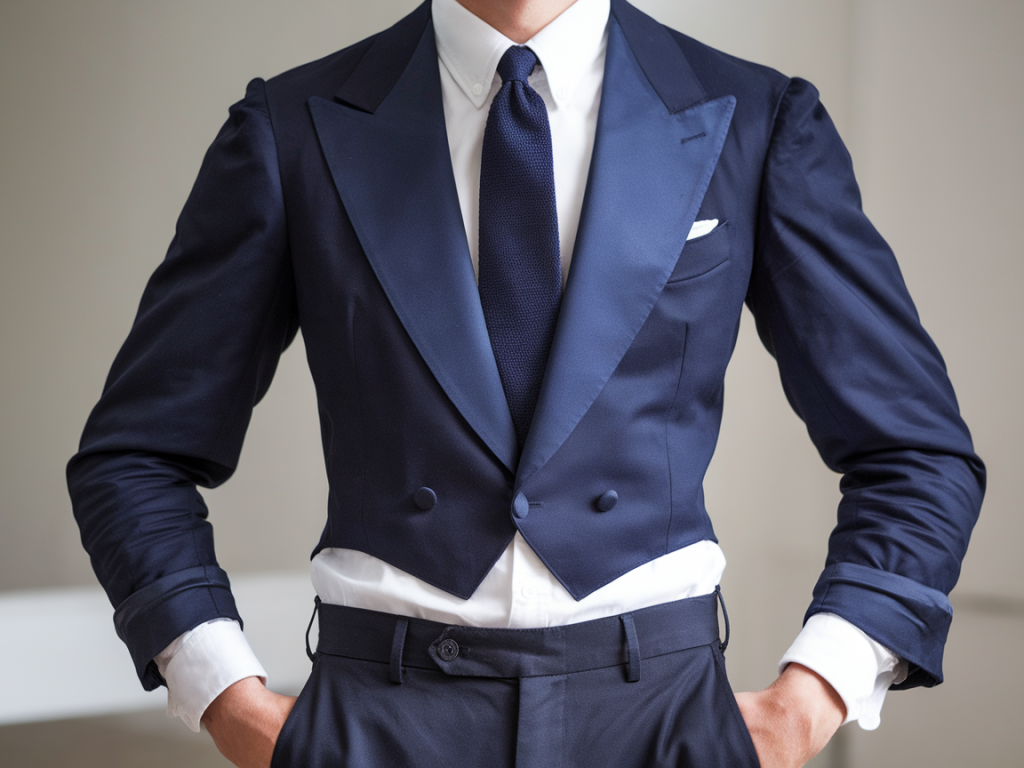
Blazers often come with sleeves that are a touch long or a tad too feminine in proportion. I prefer a sleeve that lets the wrist peek out — it lightens the look and prevents the blazer from swallowing your hands. Ask for the sleeves to be shortened so that about 1–2 cm of shirt cuff shows, or ask for them to be hemmed so you can roll them cleanly. If the blazer has working buttons at the cuff, request that the tailor preserves one functioning button for an authentic finish.
- Tweak the shoulder if needed (minimal padding).
Shoulder work is slightly more advanced and pricier, but when a blazer has heavy, outdated padding, softening it can modernize the piece. I usually ask for minimal padding or to have the pad reduced rather than removed entirely — this keeps structure but avoids the 1980s silhouette. If the shoulders are uneven, a little adjustment will do wonders. For structured menswear-style blazers, I keep enough structure to maintain authority but not so much that it feels theatrical.
The one styling rule that finishes the job
I have a single rule that I rely on to make a thrifted-and-tailored blazer read chic rather than "trying too hard": balance volume and proportion deliberately. What I mean is this — pair the closer-fitting blazer with either slightly relaxed or more fitted pieces underneath so nothing competes.
- For a polished office look: I wear my tailored blazer over a soft silk blouse or a thin merino roll-neck, with tailored trousers or a straight wool midi skirt. The slim blazer keeps the top half neat while trousers/skirt keep the lines long and uninterrupted.
- For a casual-cool weekend vibe: I throw the blazer over a tucked-in tee (I love a slightly slouchy white tee from COS or ARKET), high-rise jeans and loafers. The blazer adds structure to an otherwise relaxed outfit.
- For a modern meeting outfit: I pair the blazer with a fine-knit dress or a monochrome outfit underneath — think tonal knit dress and ankle boots — so the blazer becomes the punctuation mark, not the whole sentence.
Details matter: buttons, lining and small swaps
Beyond the three tweaks, I often make tiny swaps that elevate the blazer further. Swapping buttons is low-cost and high-impact — matte black or tortoiseshell replacements can immediately update a dated coat of arms or glossy gold buttons. Re-lining a blazer is more expensive, but if the lining is ripped or clings awkwardly, a fresh lining in a neutral or playful print makes the piece feel special.
Other small details I check:
- Lapels — keep them as-is unless they’re severely out of proportion. A slightly wider lapel can read classic and interesting.
- Pockets — if the blazer has flaps that bulge, ask for them to be tacked or switched to jetted pockets for a cleaner look.
- Length — a blazer that’s too long for your frame can be shortened; I tend to prefer a hip-skimming length for versatility.
How to communicate this to a tailor
Tailors are miracle workers, but giving clear, simple direction helps. I usually take a photo of a blazer I like on me as a guide, or wear an outfit that shows the proportions I want. Ask for:
- “Take in the side seams by about 2 cm on each side, tapering from the waist.”
- “Shorten sleeves so about 1 cm of my shirt cuff shows.”
- “Reduce shoulder padding slightly, keep structure but make it softer.”
Most tailors will pin and show you before sewing. Don’t be shy about requesting a basted fitting — it’s normal and ensures you get the final silhouette you want.
My favourite thrift-to-tailor combos
Some fabrics and cuts respond better to small tailoring than others. My go-to finds:
- Lightweight wool blends — breathe well, press beautifully and are ideal for office wear.
- Tweed — gorgeous texture, and with a few tweaks, it feels tailored and intentional.
- Wool-mohair or brushed blends — slightly retro but so cosy when fitted properly.
I usually avoid very stiff, heavily structured pieces unless I’m committed to shoulder rework. Also, linings with strong patterns can be a joyful detail I keep; sometimes I’ll even highlight a colourful lining by turning the cuffs up.
Cost and time expectations
Expect to pay modestly for these changes: side seams and sleeve shortening are typically the most affordable, often under £30–£60 total depending on your local tailor. Shoulder work and re-lining are pricier. Timing varies — simple tweaks can be done in a week; more complex work might take two to three weeks. For me, it’s always worth waiting because the result is a blazer I’ll keep wearing for years.
Turning a thrifted blazer into an office hero is one of my favourite small projects: it’s sustainable, creative and surprisingly affordable. With three targeted tweaks and a single styling rule — balance and proportion — a secondhand find becomes a confident, everyday piece that says something quietly clever about your style.