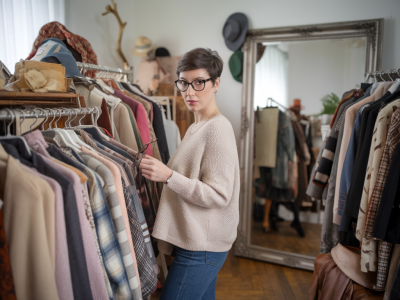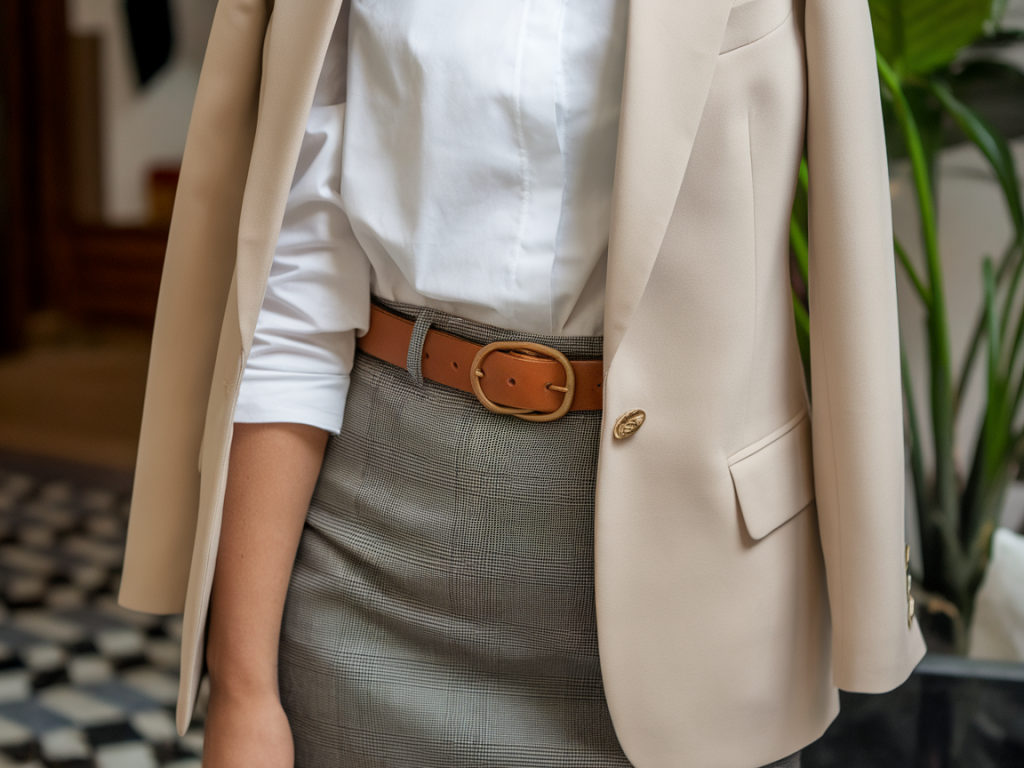
There’s something quietly magical about finding one blazer that feels like it was made for you. It’s the item I reach for when I want to look pulled together without trying too hard — a little structure, a lot of personality. Over the years I’ve built capsule wardrobes around a single, perfect blazer more times than I can count, and each time it’s taught me how a single well-chosen piece can change the way I dress, pack and even think about my day.
Why build a capsule wardrobe around a blazer?
A blazer does a lot of work. It can smarten up jeans, make midi dresses office-appropriate, or turn loungewear into a meeting-ready outfit. For me, a blazer is the bridge between practical and polished. When I commit to a capsule that centers on one blazer, I’m choosing consistency: less decision fatigue, fewer impulse buys, and a closet that feels cohesive no matter what I actually own.
That said, the success of a blazer-centered capsule depends on choosing the right blazer — and knowing when to save and when to splurge on tailoring. Here’s how I approach it.
Choosing the perfect blazer: what to look for
- Silhouette: Pick a shape that flatters your shoulders and waist. I often lean towards single-breasted, slightly structured blazers with a defined shoulder and a nipped-in waist — they translate well from casual to formal.
- Length: Cropped blazers feel modern with high-waisted jeans and skirts, while longer blazers work beautifully over dresses and for layering. Think about your typical bottoms and the proportions you prefer.
- Fabric: A wool blend or heavier suiting fabric feels timeless and holds structure, which I love for cooler months. Linen or cotton blends are ideal for spring/summer, though they may need more pressing. For a travel capsule, look for a fabric with some stretch and wrinkle-resistance.
- Color: Neutral blazers (black, navy, camel, grey) are the easiest anchors. But don’t shy away from a deep green or soft blush if that’s what you wear most. The point is to pick a color that complements the rest of your wardrobe.
- Details: Lapels, button placement and pocket style matter. Minimal details are more versatile; a statement button or contrast piping can give your capsule a signature touch.
Building the rest of the capsule around the blazer
When I’m building a capsule around one blazer, I start from what I already wear. The blazer should amplify the pieces you love. Typical categories I include:
- Two pairs of jeans (one slim/dark, one relaxed/light)
- A pair of tailored trousers in a complementary neutral
- A midi dress or two (one patterned, one solid)
- Simple tees in white, black, and a colour that flatters you
- A lightweight knit or cardigan
- One pair of sneakers, one low heel or ankle boot, and one flat (ballet or loafer)
- Accessories: a leather belt, a silk scarf, and a crossbody bag
With those building blocks, your blazer can be styled for dozens of looks: blazer + jeans + trainers for weekends, blazer + trousers + loafers for work, blazer + dress + heels for dinners. I keep a small mood board in my phone with outfit combos so I don’t have to reinvent the wheel each morning.
Outfit ideas I rotate all season
- White tee, dark jeans, blazer, leather trainers, delicate gold necklace.
- Striped Breton top, high-waisted trousers, blazer, loafers — a Paris-friendly silhouette.
- Slip dress, blazer thrown over shoulders, ankle boots or sandals depending on weather.
- Chunky knit, midi skirt, blazer layered on top for added structure.
- Monochrome look: tonal trousers, blouse, blazer — then one colourful accessory.
When to splurge on tailoring (and when to save)
Tailoring is often the difference between a blazer that looks off-the-rack and one that feels like it’s made for you. My rule of thumb: if the blazer has the potential to be a wardrobe anchor, it’s worth investing in tailoring. Here’s what I prioritise:
- Shoulder fit: This is the hardest to alter. If the shoulder seam sits in the right place (at the edge of your shoulder), that blazer is a keeper. If the shoulders are too wide or narrow, think twice — alterations can’t always fix this without ruining the proportions.
- Sleeve length: An easy and relatively affordable alteration. I like a sleeve that shows a centimetre of shirt cuff — it elevates the look.
- Waist take-in: Nipping the waist gives structure and improves the silhouette. It’s usually reasonable in price and worth it for a blazer you’ll wear often.
- Hemming: Shortening the hem for cropped styles or adjusting the length so it sits right with your favourite skirts or trousers is a practical change.
Save on things like button replacement (easy DIY) or minor lining repairs until absolutely necessary. Splurge on a higher-quality blazer if it has excellent shoulders and fabric — those are the elements that last. I’ve had a Marks & Spencer or J.Crew blazer tailored into something much more refined than its price suggested; conversely, sometimes paying more upfront for a well-made piece (e.g., from Reiss, & Other Stories, or a small British maker) saves money long-term because the fabric and construction hold up and require fewer fixes.
Typical tailoring costs (UK reference)
| Alteration | Typical cost |
| Sleeve shortening | £15–£35 |
| Waist taking in | £20–£50 |
| Hemming | £10–£30 |
| Lining repair/replacement | £40–£120 |
Prices vary by city and tailor expertise, but this gives an idea. I always ask for a written quote before work begins and discuss how much seam allowance is available — sometimes a heavy lining limits how much shortening is possible.
How to shop mindfully for your blazer capsule
- Try multiple sizes: Different brands size differently. Try on two sizes and move around — sit, cross your arms, lift your arms to see how the blazer behaves.
- Test with what you own: Bring a pair of jeans and a dress to the fitting room if you can. See how the blazer looks with the pieces you’ll actually wear.
- Look at the seams: Check shoulder seams, underarm gaping, and how the blazer hangs when buttoned and unbuttoned.
- Think long-term: Is the colour timeless? Will you still reach for it next season? If yes, it’s worth investing a little more — either on the garment or on tailoring.
- Secondhand treasures: I love charity shops and Depop for blazers — you can find beautiful vintage cuts and high-end brands at friendly prices. When shopping secondhand, be mindful of fabric condition and lining wear.
Care and maintenance
Once you’ve found your blazer and had it tailored, treat it kindly. Steam rather than iron to remove wrinkles, brush wool blazers with a soft clothes brush, and store them on good-quality hangers to preserve the shape. For linen, accept that a little texture is charming; for high-quality wool, consider professional pressing once a season. Moth-proofing is worth a thought if your blazer lives in a wardrobe with wool jumpers.
Building a capsule wardrobe around one perfect blazer has made my mornings calmer and my travel packing smarter. It’s an exercise in editing: choosing fewer items that work beautifully together and investing in fit over quantity. When you find that blazer — the one that sits right in the shoulders, flatters your shape, and clicks with your existing pieces — small tailoring choices will turn it from a good buy into a quietly brilliant wardrobe anchor.