I’m unusually picky about shoes. They’re the pieces I reach for every day, the ones that carry me through errands, meetings and the occasional weekend wander. Over the years I’ve learned that a well-curated, neutral shoe collection doesn’t need to be big — it just needs to be thoughtful. This is my budget-friendly guide to building a neutral shoe wardrobe that lasts: practical, stylish and kind to your wallet.
Why a neutral shoe collection matters
Neutral shoes are the quiet anchors of an outfit. When you have a few reliable pairs in colours that play nicely with most of your wardrobe — think black, tan, beige, navy, and soft grey — getting dressed becomes easier and more enjoyable. They’re versatile, tend to show less wear when chosen carefully, and make investing in quality a much better use of limited funds.
On Glassespeaks I often talk about mixing “timeless pieces with playful trends.” Shoes are a great place to prioritise the timeless. Save on trend-led styles and spend a little more on shape and comfort where it counts.
My starting point: assess what you actually wear
Before buying anything, I lay out every pair I own and ask three questions:
- When did I last wear these? If it’s been over a year, they’re probably not essential.
- Do they pair with at least three outfits in my wardrobe? If not, they’re not versatile enough.
- Are they comfortable enough to wear repeatedly? Style without comfort is wasted money.
This little audit helps me see gaps — maybe I have too many flats and no ankle boots, or lots of trainers but no simple heels for events. It also gives permission to let go of impulse buys so you can invest in pieces that truly earn their place.
The core neutral shoe types to own
Below are the pairs I think are worth prioritising. Aim for 4–6 shoes to start — a good capsule that covers most occasions.
- Everyday flats: Think loafers, ballet flats or simple leather mules. I adore a good loafer because it’s smart enough for work and relaxed enough for weekends.
- Classic trainers: A clean white or off-white trainer (Superga, Veja, or a simple Adidas Stan Smith) is my go-to for running around town.
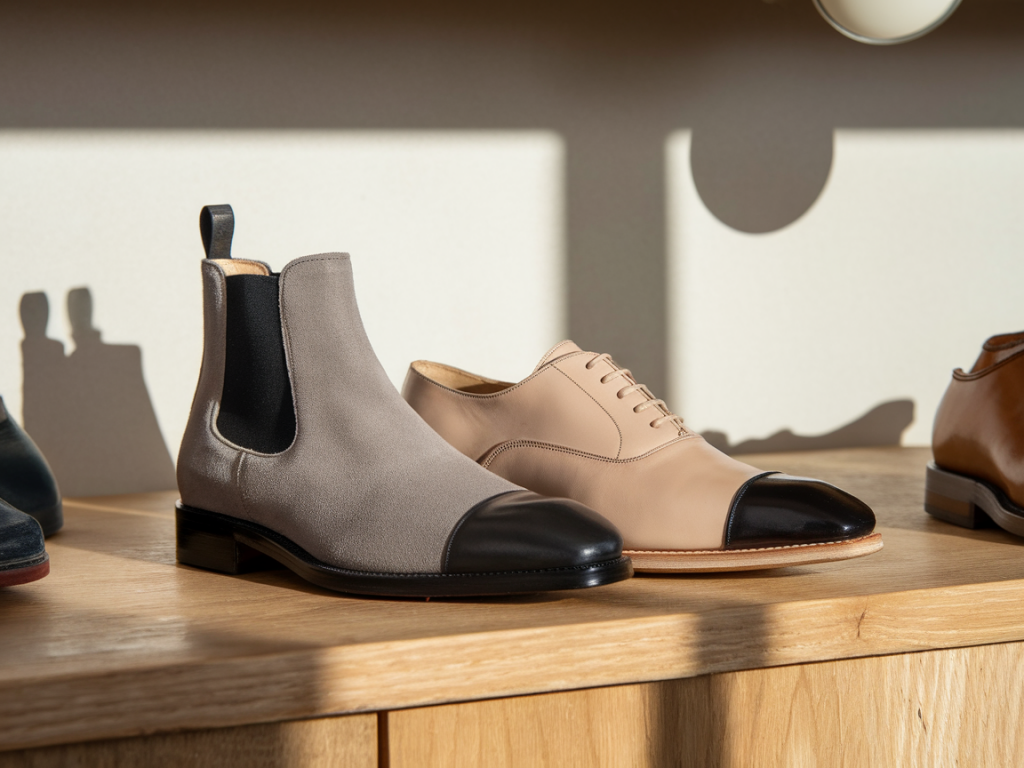
- Low-heel ankle boots: A leather or suede Chelsea boot in black or brown translates across seasons. They elevate jeans and balance dresses nicely.
- Simple pumps or block heels: For meetings or dinners, a sensible block heel in black or nude is my most-reached-for dress shoe.
- Weather-proof pair: Depending on where you live, a rain-ready boot or water-resistant option is indispensable. I own a pair of Hunter boots for proper wet days and a smart rubber sole Chelsea for in-between weather.
- Optional: a casual sandal: If you have a warm climate or travel a lot in summer, a neutral leather sandal (tan or black) rounds things out neatly.
How to shop smart on a budget
Good news: you don’t need to buy all of these at once, and you don’t always need designer price tags to get durable shoes. Here are practical shopping strategies I use:
- Buy classics in leather or quality synthetic: Genuine leather often lasts longer, but a high-quality vegan alternative can be just as durable if it has a sturdy sole and good construction.
- Shop off-season: Boots in spring, sandals in autumn — that’s when prices drop.
- Sign up for emails and alerts: Brands I trust (Clarks, Marks & Spencer, Everlane, Dune, & Other Stories) often send discount codes to subscribers.
- Secondhand is gold: I nearly always find gently worn shoes on Vinted, eBay or Depop. Look for sellers with clear photos and return-friendly policies. Leather shoes break in fast; if the sole looks good, you’ve likely found a bargain.
- Prioritise repair over replacement: Resoling or adding heel taps can extend a pair for years and is often cheaper than a new pair.
Fit and comfort: where not to scrimp
Comfort is the one area where I spend a little more. A shoe that hurts will sit in the back of your cupboard and that’s a waste. Look for:
- Firm but cushioned insoles — sometimes a €10 quality insole makes a cheap pair wearable.
- A supportive sole and good arch support for everyday wear.
- A roomy toe box — boots and pointed flats can be beautiful but check the shape on your own foot before committing.
Care and maintenance — the secret to longevity
Once you’ve bought wisely, small habits keep shoes looking fresh. I keep a simple shoe-care kit at home and treat my shoes every season:
- Leather cleaner and conditioner for smooth leather.
- Suede brush and protector spray for suede items.
- Waterproofing spray for shoes you wear in rain.
- Shoe trees for structure, especially in leather loafers and pumps.
- Rotate — wearing the same pair every day accelerates wear; rotating extends life.
| Type | Why it matters | Budget range (approx.) |
|---|---|---|
| Everyday flats | Workhorses for office and casual days | £30–£120 |
| Classic trainers | Comfortable, versatile, casual | £40–£140 |
| Ankle boots | Seasonal anchor piece | £60–£200 |
| Pumps/block heels | Event-ready but wearable | £40–£150 |
How I mix and match from my own collection
Practical examples from my wardrobe help make this concrete. For an every-day outfit I’ll often wear:
- Jeans + white tee + navy blazer + tan loafers for an easy, put-together look.
- Midi dress + black ankle boots for autumn markets or a casual dinner.
- Black trousers + silk blouse + nude block heels for meetings.
- Sweater + jeans + white trainers for running around town or travel days.
Neutral shoes simplify styling: swap a sneaker for a loafer and the vibe goes from casual to smart. That flexibility is where the real value lies.
Final practical checklist before buying
- Take a photo of three outfits and ask: will these shoes work with them?
- Check return policies — a fit issue is the only real deal-breaker.
- Think about weather and lifestyle — if you walk a lot, prioritise comfort and weather-proofing.
- Consider long-term cost-per-wear: a pricier boot you wear for five years may be cheaper than three disposable pairs.
Building a neutral shoe collection is, for me, less about having fewer options and more about having better ones. With a small set of carefully chosen, well-maintained shoes you’ll find dressing easier, decisions faster and outfits more cohesive — which, honestly, frees up headspace for the things I’d rather spend time on (like hunting secondhand treasures or planning a weekend escape documented on Glassespeaks).