I used to arrive from long-haul flights looking like I’d been dunked in a puddle of jet lag: puffy face, swollen feet, creased clothes and that heavy-tiredness that nothing short of a full night’s sleep would fix. Over time I’ve learned that what I wear on the plane — and what I bring to change into on arrival — makes a huge difference. Below are the practical, tried-and-tested pieces I wear on 8+ hour flights so I arrive feeling human, not wasted. Think comfort, breathable fabrics, layers, and a few clever accessories (including compression socks that actually work).
My core outfit formula
I build outfits around three things: comfort, temperature control and looking put-together enough to step off the plane without a complete wardrobe change. My usual on-flight outfit consists of:
This combination lets me sleep, walk the cabin for circulation, and still feel like myself when I land.
Tops: what I reach for
On long flights I avoid heavy sweaters that will make me too hot on the plane and stiff on arrival. Instead I choose:
I often wear a lightweight scarf even in summer; it’s a great multipurpose item — warmth, modesty while sleeping, and an instant accessory to make a plane outfit look intentional.
Bottoms: comfort without sweatpants regret
I love elevated joggers — they’re stretchy but tailored enough not to feel like pyjamas. Alternatives I reach for:
Key point: avoid skinny jeans or anything that constricts circulation. On long flights, I want freedom to move and room for a little swelling without discomfort.
Shoes: easy on, easy off
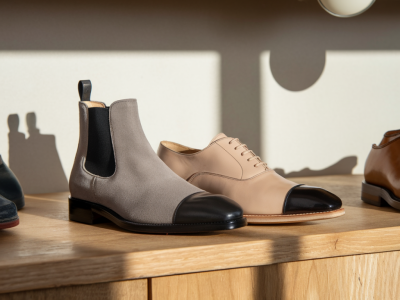
I always pick slip-on shoes: loafers, mules, or minimal trainers. They need to be comfortable for a little walk around the airport after landing, but easy to remove for security. If you’re getting some sleep on the plane, shoes that can be slipped back on without much dexterity are a godsend.
Compression socks that actually work
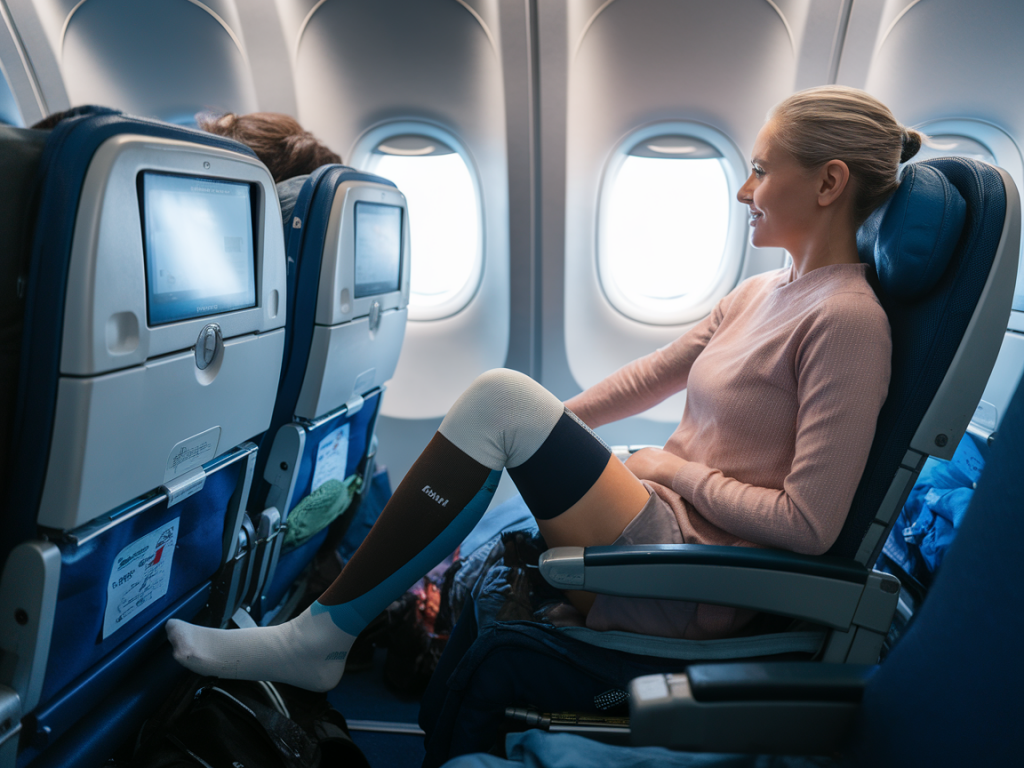
This is the bit a lot of people skip — and pay for later with puffy ankles or achy calves. I finally took compression socks seriously, and they changed the game. Here are the brands and styles I’ve tested and why I trust them:
The key feature I look for is "graduated compression" (stronger at the ankle, tapering up the calf) and a pressure between 15-30 mmHg for most healthy travellers. If you have varicose veins, a history of clotting, or specific medical needs, ask your GP which pressure is right. For me, 15-20 mmHg is perfect: it reduces swelling, helps with calf fatigue, and isn’t so tight that I dread putting them on.
| Brand | Typical Pressure | Notes |
|---|---|---|
| Sigvaris | 15–30 mmHg | Medical-grade, best for long flights or circulatory concerns |
| Jobst | 15–30 mmHg | Comfortable, variety of lengths and sizes |
| 2XU | 15–20 mmHg | Sporty look, easier to buy in sports stores |
| Sockwell | 15–25 mmHg | Stylish, merino blends, comfortable for all seasons |
| Physix Gear | 15–20 mmHg | Affordable, good starting point |
Accessories I never fly without
Small extras make a big difference:
What I pack to change into on arrival
Even when my in-flight outfit is decent, there’s something restorative about switching into clean fresh clothes after a long haul. In my carry-on I pack:
Changing in airport bathrooms can feel awkward, but trust me — the lift you get from a quick freshen up is worth the small hassle.
Movement and circulation tips while flying
Even the best outfit can’t replace movement. I try to:
Compression socks plus regular movement is my two-step to arrive without swollen ankles.
Packing tips for style and sanity
Outfits that pack well and survive being folded are my favourite. I roll knitwear and use packing cubes to keep my plane outfit separate from my clothes for the rest of the trip. A foldable tote inside my carry-on holds the shoes I wore on the plane — that way I can swap to flats or sandals at my destination without digging through luggage.
If you’re wondering about fabrics: choose breathable natural fibres where possible (cotton, modal, linen blends) mixed with a little technical fabric for stretch and shape retention. And yes, it’s absolutely fine to wear the same trousers you travelled in for the first day of sightseeing — people will be more focused on your relaxed energy than where your trousers have been.
If you try one change after reading this, make it the compression socks. Pair them with easy layers and you’ll feel a world better stepping off the plane — more awake, less swollen, and ready to make the most of the first few hours of your trip.