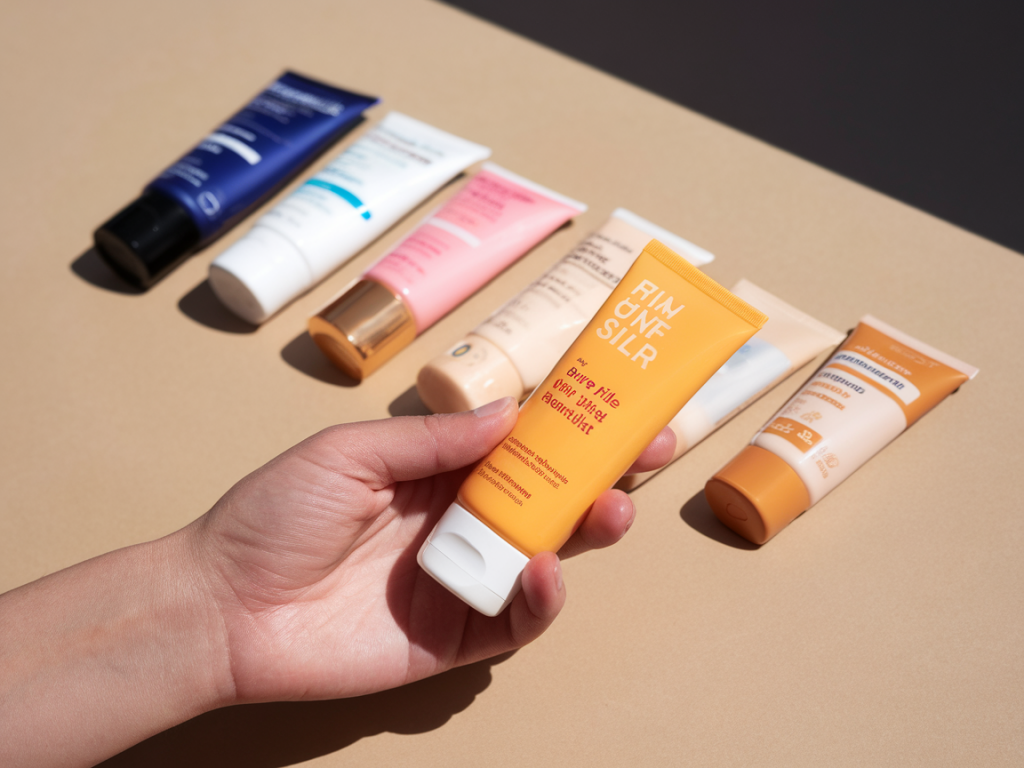
I’ve tried more sunscreens with the promise “won’t pill under makeup” than I care to admit. A sunscreen that pills—those tiny clumps that roll up when you rub or layer—can ruin an otherwise good morning. It’s frustrating when a product that looks lovely on the skin pulls your foundation into patchy bits. So I set out to test a handful of budget-friendly sunscreens (all under £15) to find ones that genuinely sit well under foundation. Below I share what I learned, what I tested, and the handful that earned a spot in my routine.
What I tested and why pilling happens
My tests took place over several weeks and included different foundations, a cushion compact, tinted moisturiser and a full-coverage liquid foundation. I tried each sunscreen with:
- a lightweight hydrating serum underneath
- a moisturiser (both richer and lighter textures)
- two different application methods for foundation: fingers and a damp sponge
- some wear-time checks (four to eight hours) and a few photos in natural light
Why does pilling happen? It’s usually about incompatible textures and layering. Most commonly the culprits are:
- Silicone-heavy formulations combined with silicone-based primers or foundations; they can ball up when rubbed.
- Too much product or not letting a sunscreen set before applying makeup.
- Oily or waxy ingredients that don’t absorb and instead sit on the surface, making it easy for makeup to drag them up.
- Creamy, occlusive moisturisers layered under a lightweight chemical sunscreen can also slide when the makeup is applied.
How I judged “doesn’t pill”
I looked for sunscreen that met these criteria:
- felt comfortable and not sticky on the skin
- absorbed or left a subtle, non-greasy finish
- didn’t roll or cling when foundation was pressed or stippled on
- played nicely under both sponge and brush application
- didn’t leave an odd cast or make foundations separate
My tested shortlist (all under £15)
| Product | Type / Texture | Why I liked it |
|---|---|---|
| La Roche-Posay Anthelios XL SPF 50+ Fluid (travel size or pharmacy offers under £15) | Light fluid | Sheer finish, minimal tack, layers beautifully under both dewy and matte foundations; rare non-pilling win. |
| Simple Kind To Skin Protecting Light Moisturiser SPF 30 | Light lotion | Hydrating but not greasy, makeup glides on; great for sensitive skin and very budget-friendly. |
| Nivea Sun UV Face Shine Control SPF 50 | Matte lotion | Excellent for combination-to-oily skin; reduces surface shine and gives a smooth base for foundation. |
| Banana Boat Ultra Protect SPF 50 Light Gel | Gel / lightweight | Gel texture absorbs quickly without residue; didn't pill even with a silicone primer in my trials. |
| Garnier Ambre Solaire Sensitive Advanced Face Mist SPF 50 | Mist (light finish) | Convenient, sits nicely under makeup when given a minute to set; good for those who like minimal-feel layers. |
Notes: Prices fluctuate with offers and sizes, but each of the products above can normally be found for under £15 at UK high-street retailers or pharmacies.
Favourite for different skin types
- Dry skin: Simple Kind To Skin Protecting Light Moisturiser SPF 30 felt nourishing but not occlusive. I paired it with a dewy foundation and it never balled up.
- Combination/oily: Nivea Sun UV Face Shine Control SPF 50 created a mattified base that helped oil-control foundations perform better and reduced sliding.
- Normal/quick routines: La Roche-Posay Anthelios fluid — a near-instant finish and very little time required before makeup.
- When I travel/light layering: Garnier mist is brilliant. I spritz, wait 30–60 seconds, then apply foundation. It feels weightless and the foundation didn’t pill.
Tips to prevent pilling — what I do
Once I understood the mechanics of pilling, changing a few small steps cleared most problems:
- Less is more: Use a thin, even layer of sunscreen. A grape-sized amount for the face is usually enough; pressing it in rather than rubbing helps.
- Wait time: Give sunscreen 60 seconds to settle. Some formulations need a little time to bind to the skin properly before you add anything on top.
- Apply foundation differently: I often use a damp beauty sponge to press foundation into the skin rather than rubbing. This reduces friction and prevents dragging product off.
- Check your other products: Some primers and serums react poorly with certain sunscreens (especially silicone mixes). If you’re seeing pills consistently, try skipping one product at a time to find the culprit.
- Use powders sparingly: A light dusting of translucent powder can help set everything, but heavy powder over tacky layers invites caking.
What I avoid
I avoid sunscreens that feel greasy or leave a thick residue. Oils and rich balms have their place, but they’re usually incompatible with full-coverage foundations unless you’re willing to blot and wait. I’m also wary of products that promise an instant “blur” if they feel like they’re silicone-heavy; those are the ones most likely to pill under certain primers.
Final practical notes
If you’re trying these suggestions, test at home with the exact foundation and primer you normally use. My shortlist includes products that worked consistently across a few formulas—no sunscreen is universally perfect for every possible combination, but the ones above are reliable starting points. If pilling persists, swap the order of application, cut down the amount of product, or try a different application tool. Small adjustments often make the biggest difference.