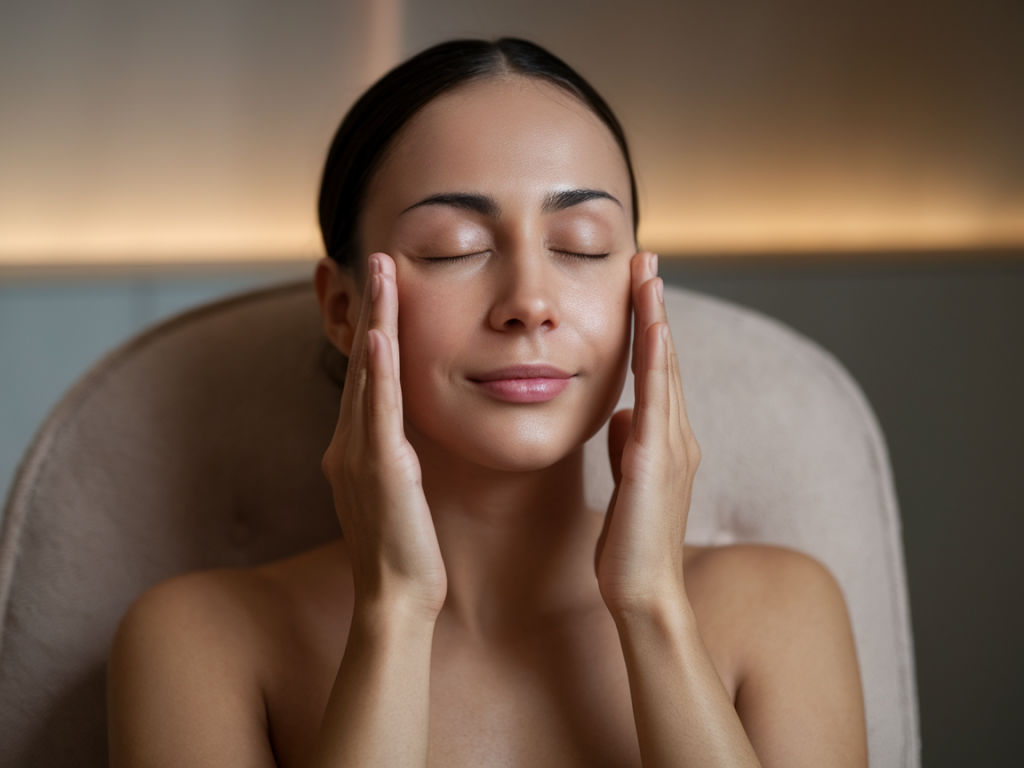
I keep a ten-minute facial massage in my weekly repertoire because it feels like a tiny ritual that actually makes a difference. Some mornings I do it to wake up, other times I do it at night to help my skin settle after a long day. It’s simple, portable (you can do it in the bath, at your desk, or in bed), and more importantly, it doesn’t rely on trick products — just thoughtful motion, a little oil or balm, and a regular habit.
Why facial massage helps (and what it actually does)
When people ask me if facial massage is just a trend, I tell them it’s part science, part self-care. The motions stimulate circulation, encourage lymphatic drainage (which reduces puffiness), and help muscles relax — so over time you can see a brighter, more lifted look. It also helps product absorption, meaning that serums and oils actually penetrate rather than sit on the surface.
It’s not a miracle — massage won’t replace a healthy lifestyle or professional treatments — but done regularly it’s a gentle, cumulative practice that supports skin that looks rested and intentionally cared for.
What you need (practically)
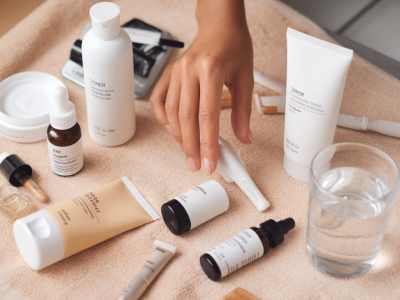
- A slip product: a lightweight facial oil, balm or cream. I love squalane oil (The Ordinary’s Squalane is a cheap, reliable option), jojoba, or a nourishing balm if my skin is dry. The aim is to reduce friction so your fingers glide easily.
- Optional tools: a gua sha or a cool jade roller. I use a small gua sha board for sculpting and a jade roller when my eyes are particularly puffy. Both are helpful but not necessary.
- A mirror: useful for learning the right angles, especially at first.
Ten-minute at-home routine (step-by-step)
Below is the routine I return to most often. It’s divided into short segments so you can easily track the time. If you want, set a timer for each section — or just go by feel.
| Step | Action | Time |
| 1 | Prep: apply oil/balm | 30–45 seconds |
| 2 | Neck work (lymph flow) | 1 minute |
| 3 | Jaw and chin release | 1–1.5 minutes |
| 4 | Cheeks: sweep and sculpt | 2 minutes |
| 5 | Eye de-puffing | 1.5–2 minutes |
| 6 | Forehead smoothing | 1 minute |
| 7 | Finish: tap and breathe | 30–60 seconds |
Prep: how to apply product
Warm a few drops of oil between your palms and press gently into your face — cheeks, jaw, forehead and under-eyes. The goal is a thin, even layer so your fingers glide. If you’re using a balm, scoop a small pea-sized amount and let it melt on warmed fingertips.
Neck work: the base for drainage
Always start on the neck. Use both hands to sweep downward from just under the jaw to the collarbone to encourage lymph drainage. Do this motion 6–8 times, using light pressure — it’s the pathway that helps the rest of your massage actually move fluid away from the face.
Jaw and chin release
Place your fingers where your jaw hinges up near the ears and make small circular motions, working down toward the chin. I like to open and close my mouth slowly while massaging the masseter muscle; it immediately feels less tense. Follow with gentle scoops along the jawline towards the ear.
Cheeks: sweeping and sculpting
Using flat fingers or a gua sha at a 15–30 degree angle, sweep from the side of the nose out toward the ear. Repeat each side 6–8 times. If you’re using fingertips, use upward and outward strokes, imagining you’re lifting the cheekbone.
When I use a gua sha, I also do small diagonal scoops under the cheekbones to encourage a more defined look. Press gently — it shouldn’t hurt. If there’s redness, that’s normal and usually fades in a few minutes.
Eye de-puffing
This is the part that makes me feel the most awake. Using your ring finger (it applies the least pressure), gently tap from the inner corner under the eye to the outer corner, then sweep up toward the temple. Repeat 8–10 times. Finish with light circular motions at the outer corner to stimulate the temple lymph nodes.
For extra cooling, pop a jade roller in the fridge beforehand or use a metal eye tool. I sometimes keep a chilled gua sha for mornings when my eyes are very puffy — the cold + motion is immediately refreshing.
Forehead smoothing
From the center of the forehead, push outward toward the temples in long, gentle strokes. Then make small upward strokes from the eyebrows to the hairline. This helps release tension especially if you hold stress in your brow.
Finishing touches
End with light tapping across your face — cheeks, forehead, chin — to wake the skin up. Take three slow, deep breaths and sweep your hands down the neck one last time to finish the lymphatic flow.
When to do it and how often
I find 3–5 times a week is a sweet spot for visible benefits and for keeping it enjoyable rather than mandatory. If you’re short on time, even a two-minute eye and jaw focus makes a big difference. Some people prefer nightly use as a way to decompress; I do both morning and evening variations depending on my schedule.
Precautions and who should be careful
- If you have active acne, broken skin, severe rosacea, or recent facial surgery, check with a dermatologist before massaging.
- Keep pressure light and avoid pulling or stretching thin skin near the eyes.
- If a movement causes pain (not the good kind of pressure), stop and reassess technique.
Products and tools I recommend
- Lightweight oils: The Ordinary Squalane, Biossance Squalane + Vitamin C Rose Oil.
- Balms: Clinique’s Take The Day Off balm is a versatile choice for dry skin.
- Gua sha: a small, curved tool in quartz or rose quartz feels comfortable and is easy to angle.
- Jade roller: great when chilled for mornings; use the smaller end for the eye area.
One personal note — the physical benefits are lovely, but the part I treasure most is the pause. Those ten minutes are a small way to signal care to myself, to slow down and listen. Whether you want to de-puff before a video call or wind down before bed, a consistent facial massage routine is one of the smallest investments that gives a quietly visible return.